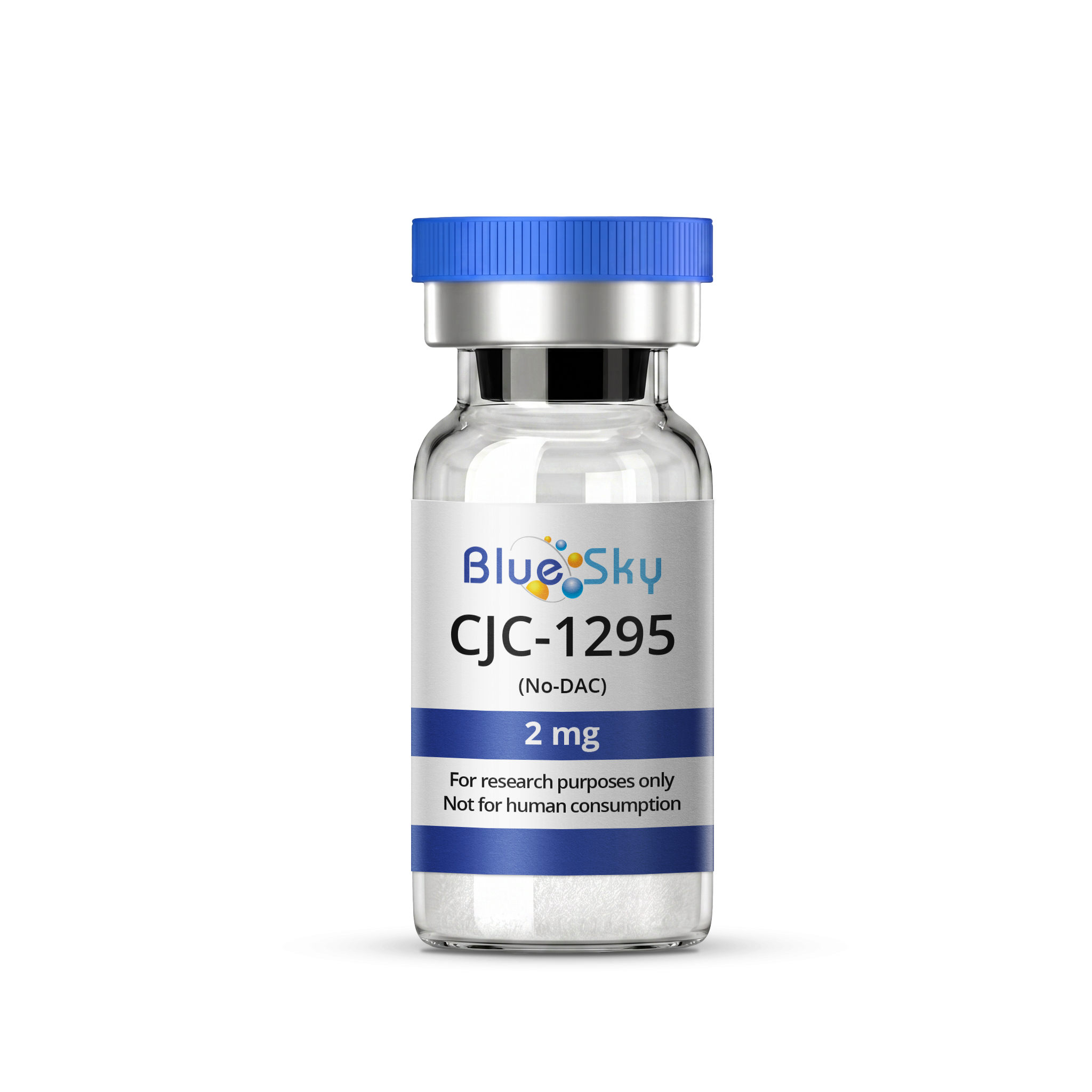
Buy Bulk CJC-1295 NO-DAC 2mg
- Buy 50 for $15.95 each and save 73%
- Buy 100 for $13.95 each and save 76%
- Buy 200 for $12.95 each and save 78%

- Free Priority Shipping
- Orders over $75



Buy Bulk CJC-1295 NO-DAC (No Promo Codes):
| Unit Size | 2 mg/vial |
| Unit Quantity | 1 vial |
| Purity (Mass Spectrometry and UV) | 99.18% |
| Sequence | H-Tyr-D-Ala-Asp-Ala-Ile-Phe-Thr-Gln-Ser-Tyr-Arg-Lys-Val-Leu-Ala- Gln-Leu-Ser-Ala-Arg-Lys-Leu-Leu-Gln-Asp-Ile-Leu-Ser-Arg-NH2 |
| Molecular Formula | C152H252N44O42 |
| Appearance | Lyophilized White Powder |
| Source | Chemical Synthesis |
| Storage | Lyophilized CJC-1295 NO-DAC is stable at room temperature for 90 days; however, it is best stored in a freezer at -20°C for any extended period of time. |
| Terms | The products we offer are intended for laboratory research use only. Please familiarize yourself with our terms of service prior to ordering. |
| COA Verification | Verify this COA on MZ Biolabs → |
CJC-1295 NO-DAC 2mg (Bulk)
View Research Overview & References
CJC-1295 NO-DAC carries a molecular weight of approximately 3365.87 g/mol as the modified GRF(1-29) sequence without the albumin-binding drug affinity complex (DAC) used in a related CJC-1295 variant.
Continuous Versus Pulsatile Receptor Stimulation
A recurring question in GHRH receptor pharmacology is whether sustained receptor occupancy produces the same downstream signaling pattern as the brief, pulsatile stimulation characteristic of the native hormone.
Researchers studying long-acting GHRH analogs use this distinction to inform experimental design, since a compound's residence time at the receptor can shape signaling output independently of its binding affinity.
GHRH Receptor Structural Basis
Structural and computational research has characterized the GHRH receptor's dynamic conformational behavior, identifying molecular determinants of GHRH binding that provide a mechanistic basis for how CJC-1295 NO-DAC's retained GHRH-derived sequence engages this receptor in laboratory studies.1
Stabilizing Substitutions Relative to Native GRF
CJC-1295 NO-DAC carries four substitutions relative to native GRF(1-29): D-alanine at position 2 resists dipeptidyl peptidase-IV cleavage, glutamine at position 8 prevents deamidation, and alanine at position 15 together with a leucine substitution at position 27 reduce oxidation susceptibility.
These changes are the structural basis for the peptide's improved in vitro stability compared to unmodified GRF(1-29).
Analytical Purity Verification for Bulk Quantities
As a 29-residue peptide, CJC-1295 NO-DAC is more prone to synthesis-related impurities, such as deletion sequences, than shorter research peptides, making combined HPLC and mass spectrometry verification particularly important.
For bulk orders, researchers are encouraged to confirm that each production batch carries its own certificate of analysis, since a longer sequence increases the opportunity for batch-to-batch variation during synthesis.
Storage and Handling in the Laboratory Setting
The intact 29-residue sequence is more vulnerable to hydrolysis and aggregation once removed from its stable, freeze-dried state, making sub-zero freezer storage of the lyophilized powder standard laboratory practice.
Splitting a bulk shipment into multiple smaller sealed aliquots immediately upon receipt is standard practice, since this limits the number of times the full quantity is exposed to ambient temperature and humidity over the course of a study.
What the DAC Modification Is, and Why This Version Omits It
The drug affinity complex is a reactive chemical group attached to the end of the peptide chain in the DAC-bearing version of CJC-1295. Its purpose is to form a covalent bond with a free thiol on circulating albumin, tethering the peptide to a large carrier protein rather than leaving it free.
This version carries no such group. What remains is the tetrasubstituted GRF(1-29) sequence shown in the specification table and nothing else, which is why its molecular weight sits near 3366 rather than the higher figure the conjugating version reports.
For laboratory work the distinction matters because the DAC version is designed to interact with albumin, a variable that must be accounted for in any assay system containing serum. The non-DAC form removes that interaction entirely, which is one reason researchers select it when they want the GHRH-derived sequence studied on its own.
Why the Sequence Stops at Residue 29
Native growth hormone-releasing hormone is a 44-residue peptide. The first 29 residues of that chain were found to retain the receptor-binding character of the full-length hormone, so GRF(1-29) became the standard shortened framework for analog design in this class.
Working from a 29-residue template rather than the full 44 means fifteen fewer coupling steps during synthesis, with a correspondingly smaller population of deletion byproducts in the finished material.
Helical Structure and the Position 15 Substitution
The GRF(1-29) framework adopts a helical conformation across much of its length, and that shape contributes to how the peptide is recognized at its receptor.
Glycine, the residue at position 15 of the native sequence, is the least helix-friendly of the standard amino acids: having no side chain, it permits backbone angles that interrupt a helical run. Alanine, which replaces it here, is among the strongest helix-forming residues. Substituting one for the other reinforces the helical character of that segment, which is a distinct structural purpose from the oxidation and cleavage considerations behind the other three substitutions.
Alternate Names and a Common Point of Confusion
This compound appears in published work and supplier catalogs as CJC-1295 without DAC, CJC-1295 No DAC, Mod GRF 1-29, Modified GRF (1-29), and tetrasubstituted GRF(1-29). All refer to the same 29-residue sequence shown above.
Because the DAC and non-DAC versions share the CJC-1295 name, catalog listings are frequently ambiguous about which is being offered. Confirming the molecular weight against the certificate of analysis, rather than relying on the product name, is the reliable way to establish which form a given lot contains.
Important Notice
This product is intended strictly for in vitro laboratory research and is not suitable for human applications. These findings do not establish safety, efficacy, or suitability for any human application, and this product has not been evaluated by the FDA or any regulatory agency.
Product Information
CJC-1295 NO-DAC is supplied as a lyophilized powder at 2 mg per vial, available in bulk quantity.
References
1. Matsoukas MT, Spyroulias GA. Dynamic properties of the growth hormone-releasing hormone receptor (GHRHR) and molecular determinants of GHRH binding. Mol Biosyst. 2017;13(7):1313-1322.
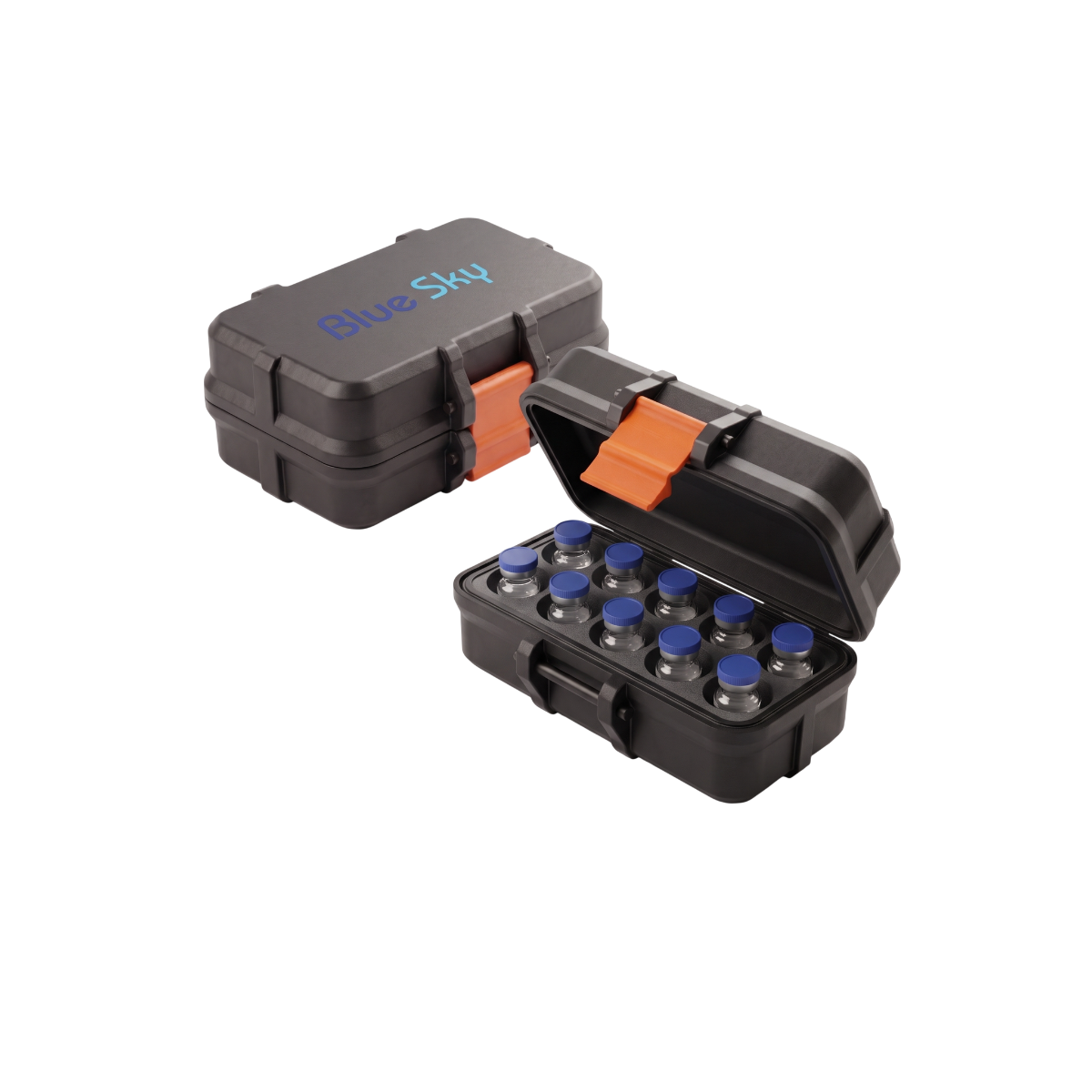
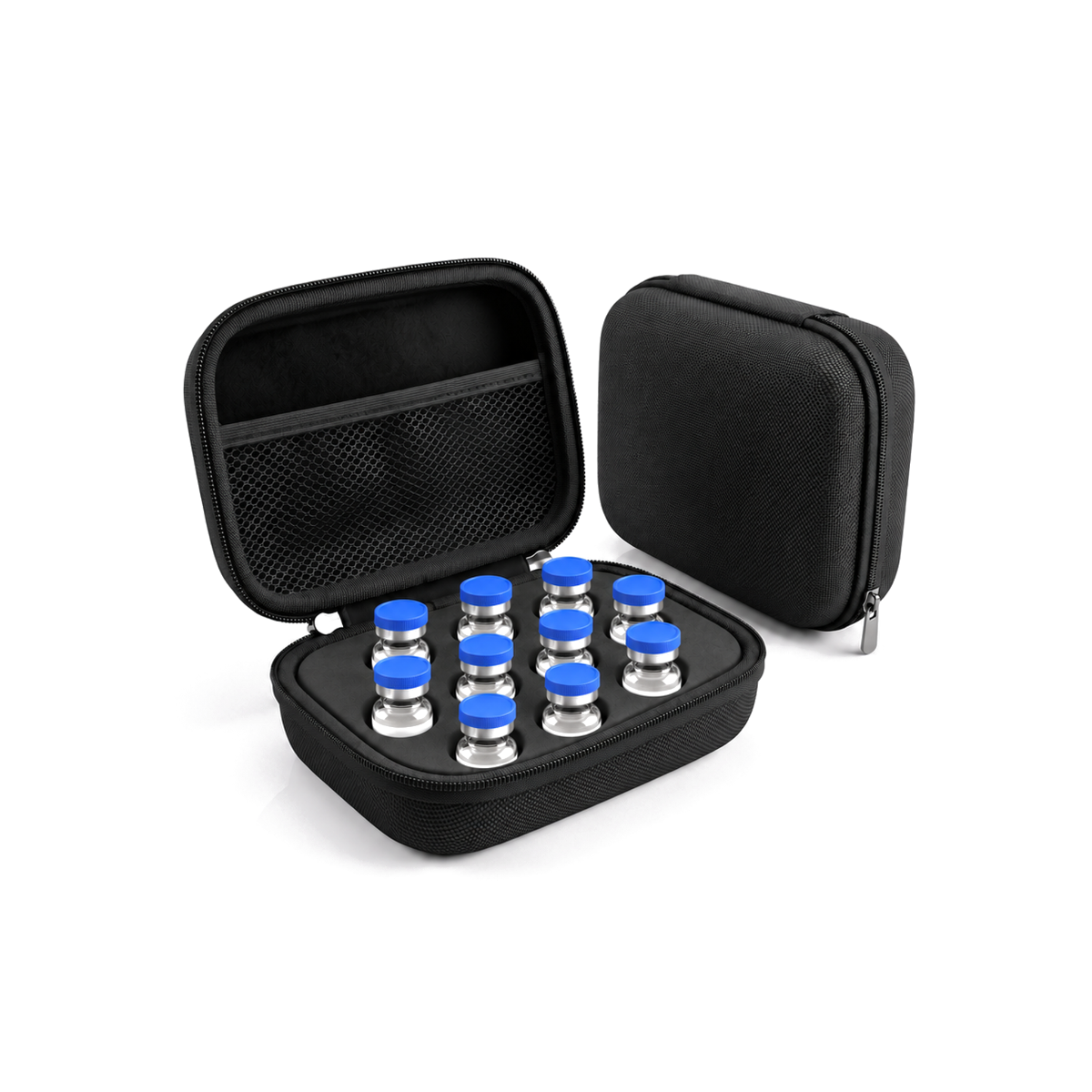 Storage Case (10)$9.99



 Login