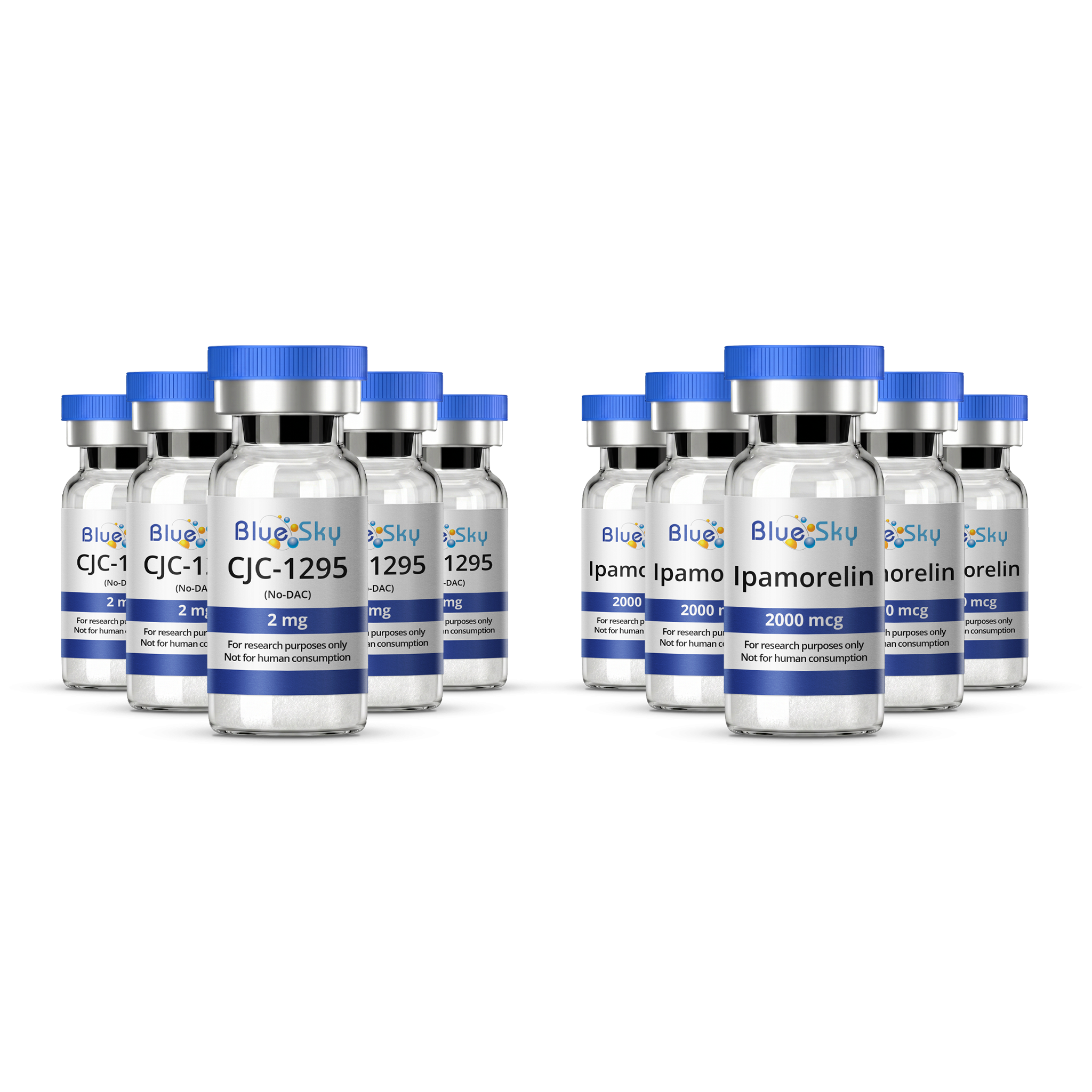
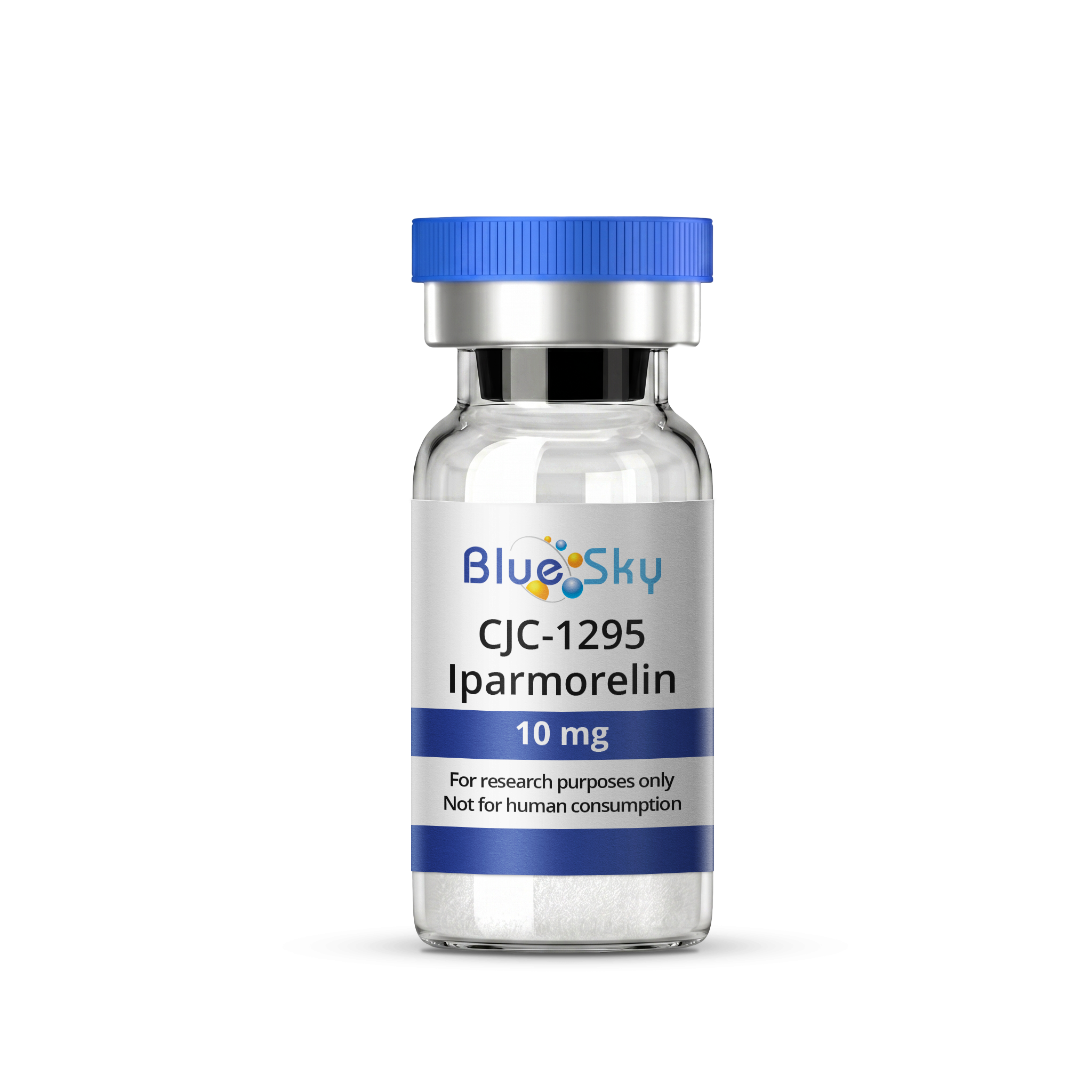
Bundle (CJC-1295 No Dac 2mg x5 + Ipamorelin 2mg x5)
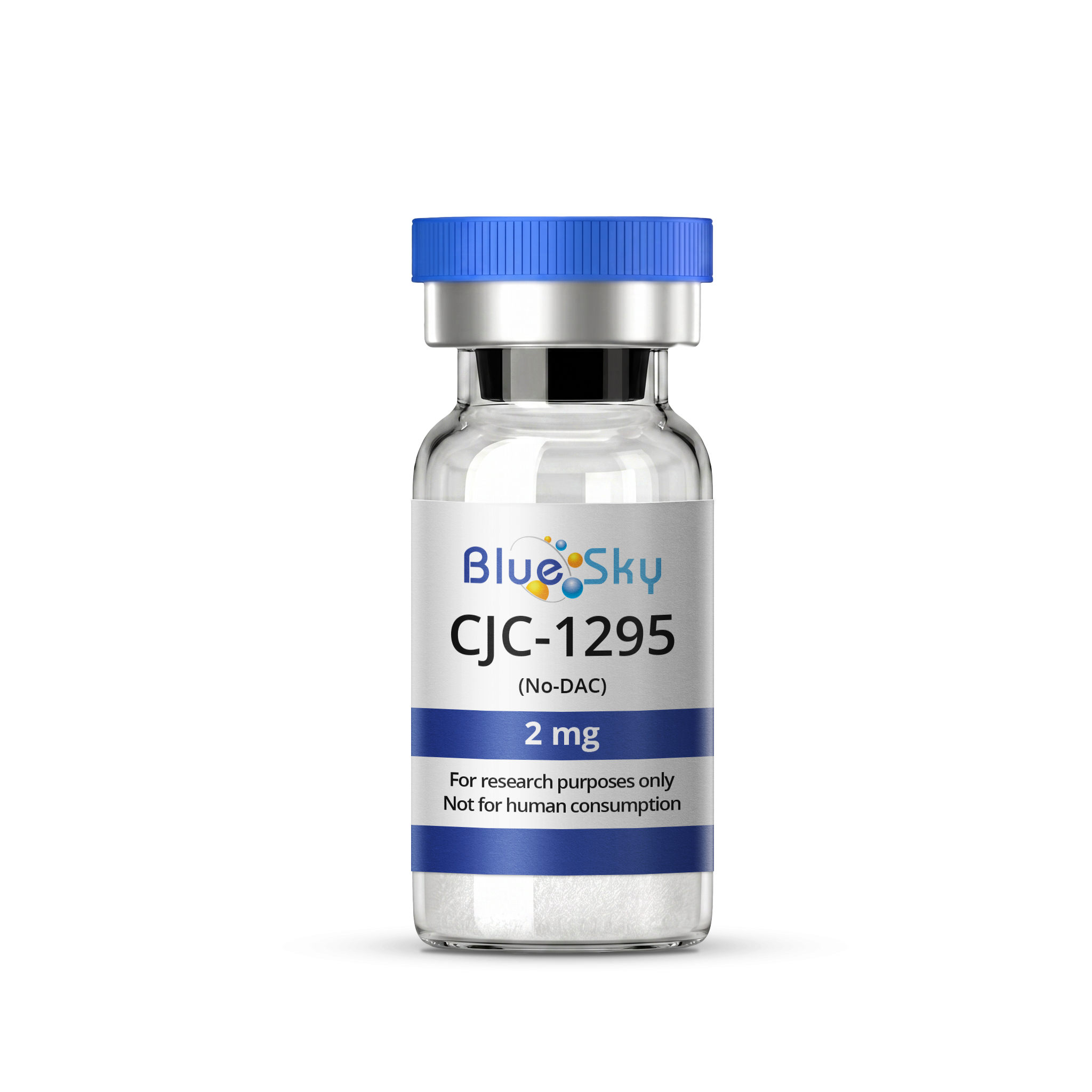
- CJC-1295 No Dac 2mg: 5 Quantity
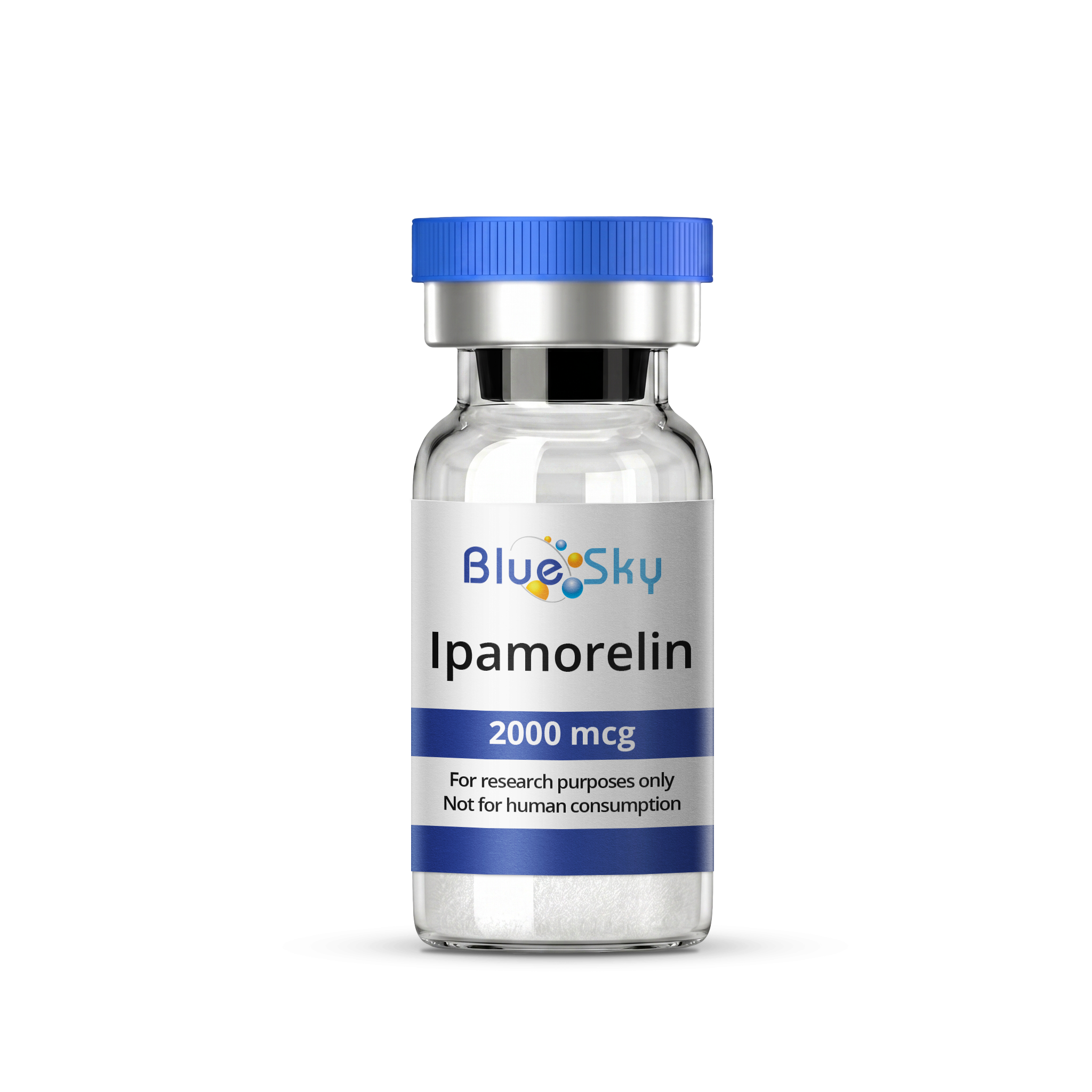
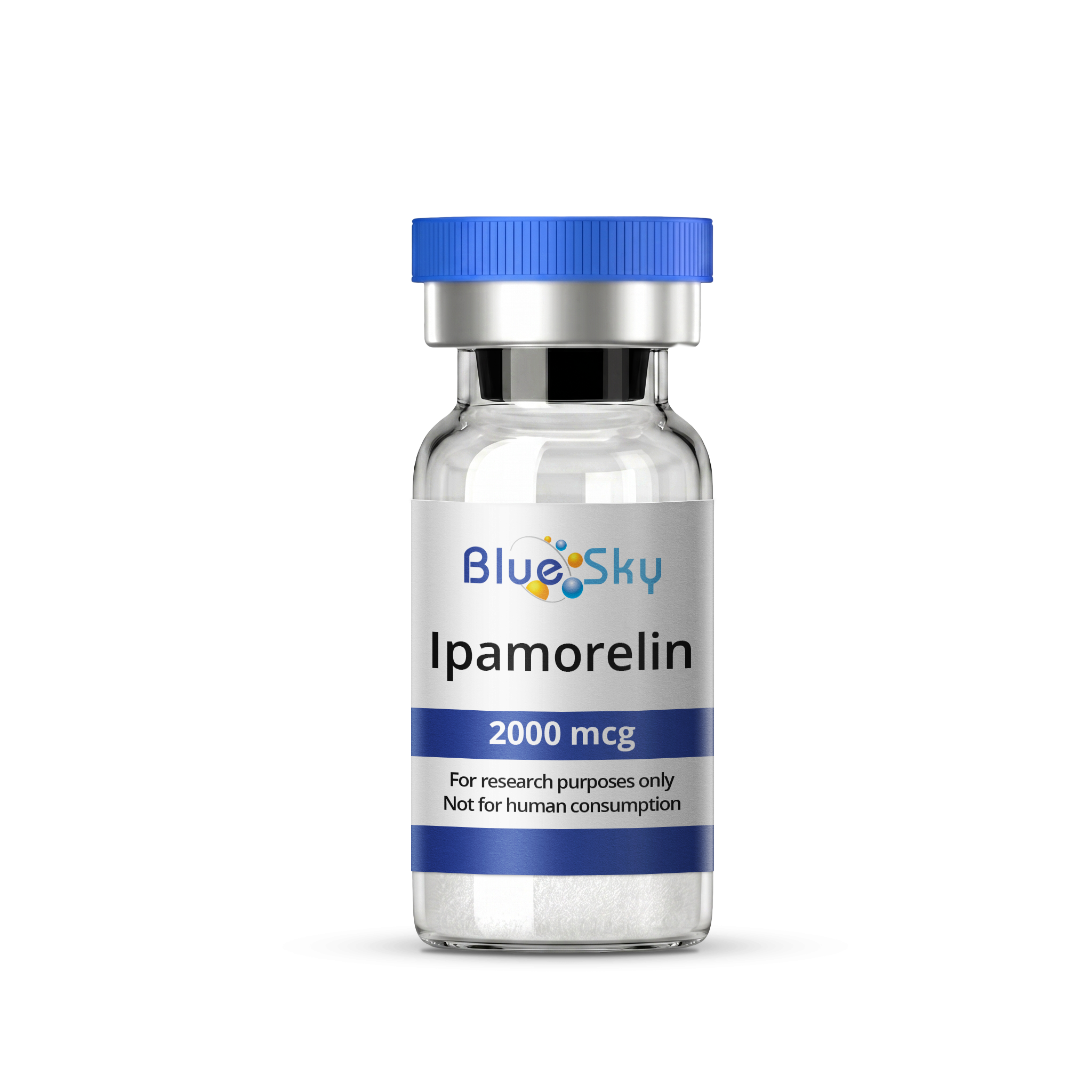
- Ipamorelin 2mg: 5 Quantity

- Free Priority Shipping
- Orders over $75


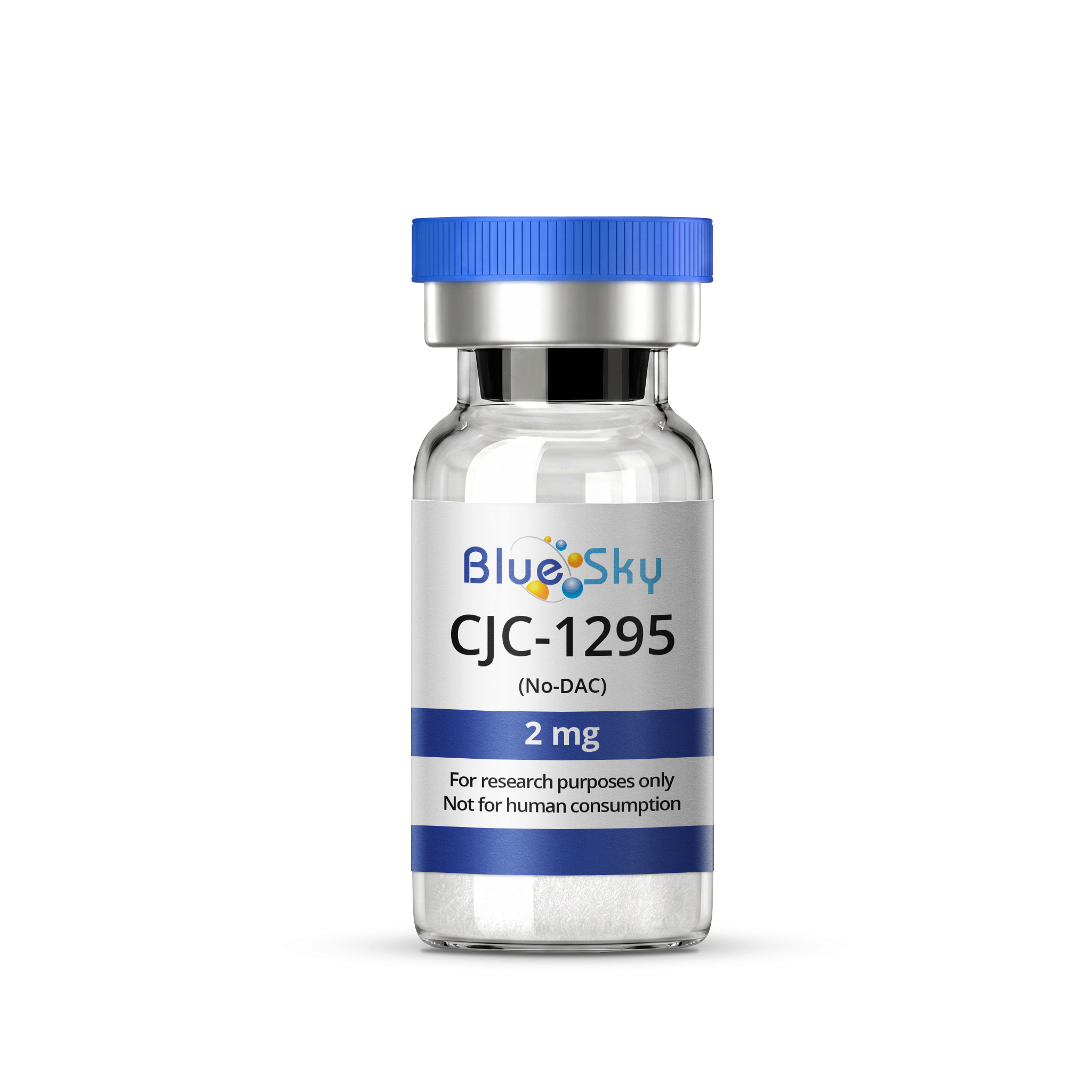
CJC-1295 NO-DAC (MOD GRF 1-29) 2mg:
| Unit Size | 2 mg/vial |
| Unit Quantity | 1 vial |
| Purity (Mass Spectrometry and UV) | 99.18% |
| Sequence | H-Tyr-D-Ala-Asp-Ala-Ile-Phe-Thr-Gln-Ser-Tyr-Arg-Lys-Val-Leu-Ala- Gln-Leu-Ser-Ala-Arg-Lys-Leu-Leu-Gln-Asp-Ile-Leu-Ser-Arg-NH2 |
| Molecular Formula | C152H252N44O42 |
| Appearance | Lyophilized White Powder |
| Source | Chemical Synthesis |
| Storage | Lyophilized CJC-1295 NO-DAC is stable at room temperature for 90 days; however, it is best stored in a freezer at -20°C for any extended period of time. |
| Terms | The products we offer are intended for laboratory research use only. Please familiarize yourself with our terms of service prior to ordering. |
| COA Verification | Verify this COA on MZ Biolabs → |
Ipamorelin 2000mcg:
| Unit Size | 2 mg/vial |
| Unit Quantity | 1 vial |
| Purity (Mass Spectrometry and UV) | 99.78% |
| Sequence | Aib-His-D-2-Nal-D-Phe-Lys-NH2 |
| Molecular Formula | C38H49N9O5 |
| Appearance | Lyophilized White Powder |
| Source | Chemical Synthesis |
| Storage | Lyophilized Ipamorelin is stable at room temperature for 90 days; however, it is best stored in a freezer at -20°C for any extended period of time. |
| Terms | The products we offer are intended for laboratory research use only. Please familiarize yourself with our terms of service prior to ordering. |
| COA Verification | Verify this COA on MZ Biolabs → |
Bundle: CJC-1295 NO-DAC 2mg (x5) + Ipamorelin 2mg (x5)
View Research Overview & References
This bundle pairs five individually-supplied vials of CJC-1295 NO-DAC (2mg) with five individually-supplied vials of Ipamorelin (2mg), spanning a considerable size range from a 29-residue GRF analog down to a 5-residue secretagogue.
Stabilization Without Albumin Conjugation
Unlike the DAC-conjugated variant of this same GRF analog, CJC-1295 NO-DAC relies solely on four internal sequence substitutions, D-alanine, glutamine, alanine, and leucine at specific positions, to resist enzymatic and chemical degradation, without any added albumin-binding extension.
This keeps the peptide closer in overall structure to native GRF(1-29) while still addressing the same degradation pathways that limit the unmodified hormone's stability in laboratory use.
GHRH Receptor Engagement
Structural and computational research has characterized the dynamic properties of the GHRH receptor and the molecular determinants of GHRH binding, offering a receptor-level basis for how CJC-1295 NO-DAC's retained GHRH-derived sequence is positioned to engage this receptor in laboratory studies.1
A Five-Residue Counterpart on the Other Receptor
Where CJC-1295 NO-DAC is a near full-length hormone analog, Ipamorelin is built from just five residues and engages an entirely separate target, the growth hormone secretagogue receptor (GHS-R), the same receptor activated naturally by ghrelin.
Its Aib residue, a non-proteinogenic amino acid with a quaternary carbon that restricts backbone rotation, is studied for its contribution to both binding conformation and resistance to exopeptidase degradation despite the peptide's short length.
Combined Research Applications
Because these two peptides differ so substantially in size and target receptor, this bundle is suited to research examining GHRH-receptor and GHS-R pathways side by side within a single experimental platform.
Interaction effects between the two when studied together remain an open question in the literature, with available data still preliminary.
Analytical Verification Across Two Very Different Peptides
The nearly five-fold size difference between these two peptides means researchers should expect distinct analytical profiles: CJC-1295 NO-DAC's longer sequence is more prone to deletion-sequence byproducts during synthesis, while Ipamorelin's short length makes truncation products easier to resolve by mass alone.
Certificates of analysis for each compound should be reviewed independently rather than assumed to carry over from one peptide to the other.
Storage and Handling in the Laboratory Setting
Both peptides are kept lyophilized under sub-zero freezer conditions until shortly before use, since peptide bonds in either compound become more susceptible to hydrolysis once removed from this stable, freeze-dried state.
Supplied as Separate Vials, Not a Co-Lyophilized Blend
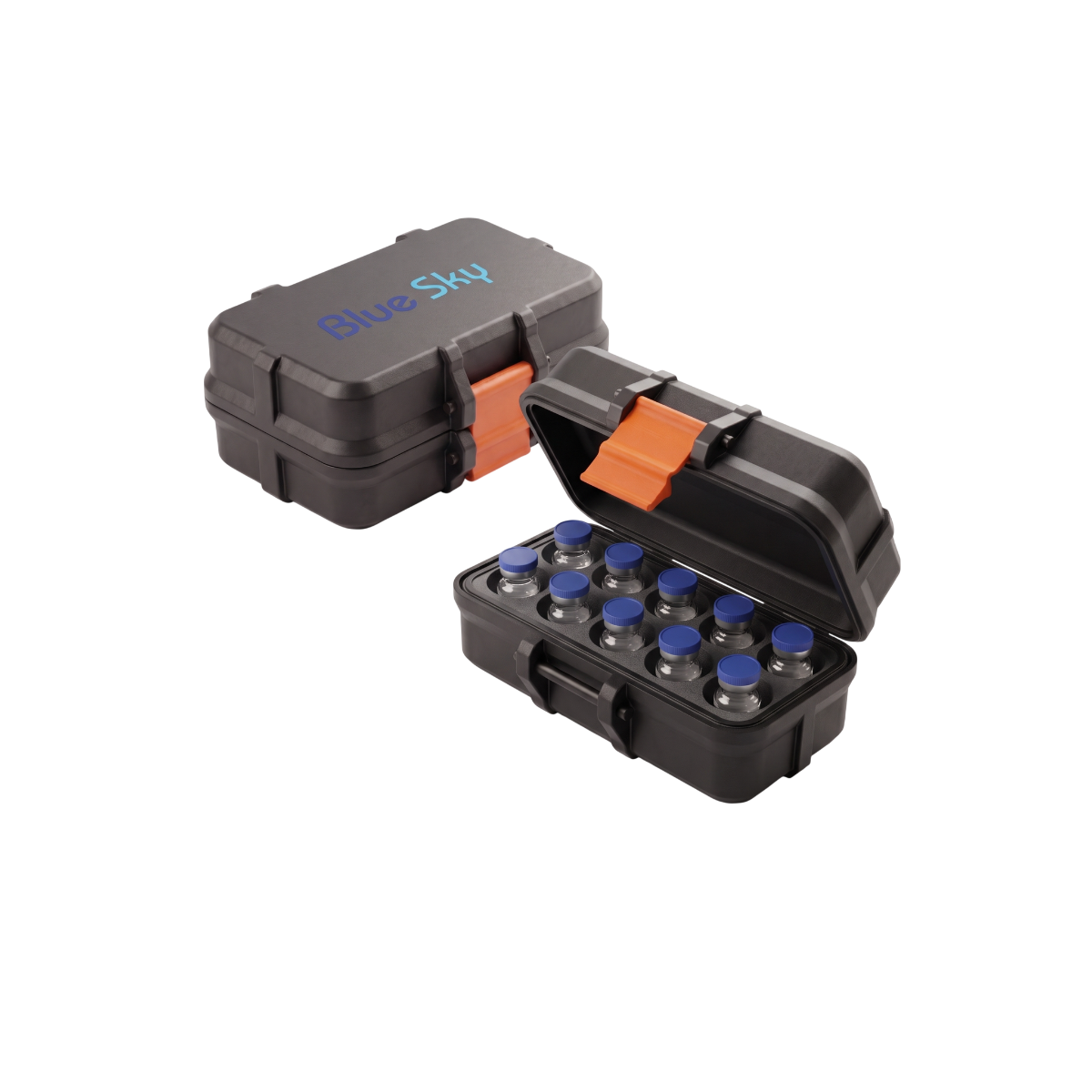
This bundle is ten individual vials, five of each peptide, rather than a single vial holding both. The distinction matters more than it may appear.
In a blend, the proportion between the two components is fixed at the point of manufacture and stated as a formulation specification. Here there is no such figure. Each vial contains one peptide at its stated mass, and any proportion between them is determined by the researcher rather than by the product.
Each peptide also carries its own lot number and its own certificate of analysis, which is why two separate verification links appear in the tables above rather than one. A purity figure for either compound carries no information about the other.
Lysine Is the Only Residue the Two Peptides Share
Set the two sequences side by side and the overlap is close to nonexistent. CJC-1295 NO-DAC draws on twelve different amino acids across its twenty-nine positions, while Ipamorelin uses five residues, three of which do not appear in the longer peptide at all.
Lysine is the single residue common to both in the same configuration, appearing twice in the GRF analog and once at Ipamorelin's C-terminal position. Phenylalanine occurs in both, but as the L-form in CJC-1295 NO-DAC and the D-form in Ipamorelin, which makes them mirror images at that side chain rather than the same residue.
2000 Micrograms and 2 Milligrams Are the Same Quantity
The second specification table is headed in micrograms while its unit size row reads milligrams. Both describe the same amount: 2,000 micrograms is 2 milligrams, since one milligram contains a thousand micrograms.
Short peptides are often quoted in micrograms because the quantities that arise in laboratory work tend to be small, and a figure such as 250 mcg reads more naturally than 0.25 mg. Both conventions appear across supplier catalogs and published methods, so moving between them is a routine requirement when comparing quantities from different sources.
A Ten-Vial Order Has a Longer Working Window
The storage rows above apply to each vial on its own, and with ten of them the span between the first and the last being opened is likely to be considerably longer than for a single-vial purchase.
That makes the freezer recommendation more consequential here than the ninety-day room-temperature figure. Unopened vials held at -20°C are not drawing down a shared clock the way one large container would, since each stays sealed until it is needed. The practical implication is that the whole set goes into freezer storage on arrival rather than being left at ambient temperature on an assumption of rapid turnover.
Important Notice
CJC-1295 NO-DAC and Ipamorelin are strictly for in vitro laboratory research purposes only and are not intended for human consumption. These findings do not establish safety, efficacy, or suitability for any human application, and these products have not been evaluated by the FDA or any regulatory agency.
Product Information
This bundle includes 5 vials of CJC-1295 NO-DAC at 2mg per vial and 5 vials of Ipamorelin at 2mg per vial, supplied as lyophilized powders for laboratory research use only.
References
1. Matsoukas MT, Spyroulias GA. Dynamic properties of the growth hormone-releasing hormone receptor (GHRHR) and molecular determinants of GHRH binding. Mol Biosyst. 2017;13(7):1313-1322.


 Login