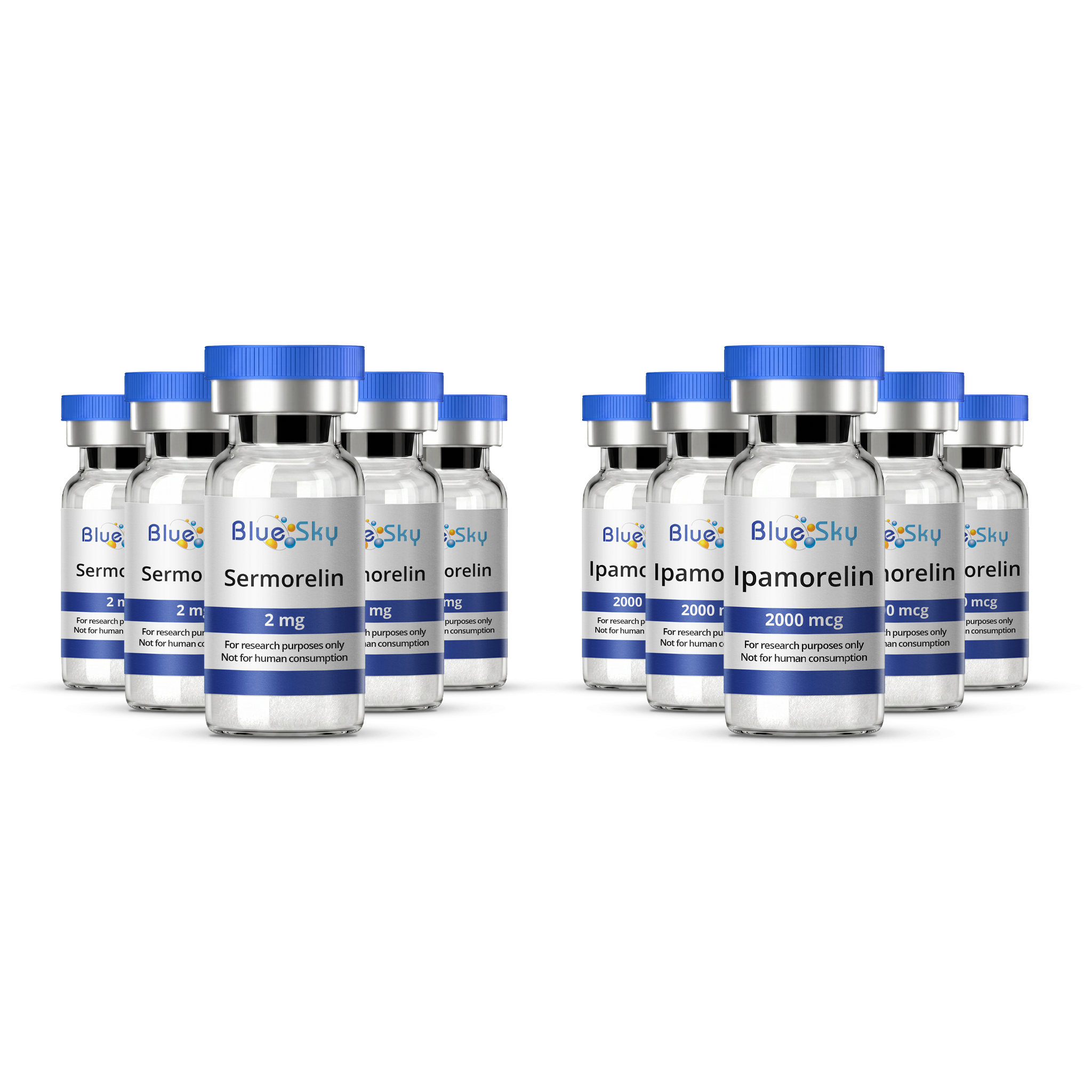
Bundle (Sermorelin 2mg x5 + Ipamorelin 2mg x5)
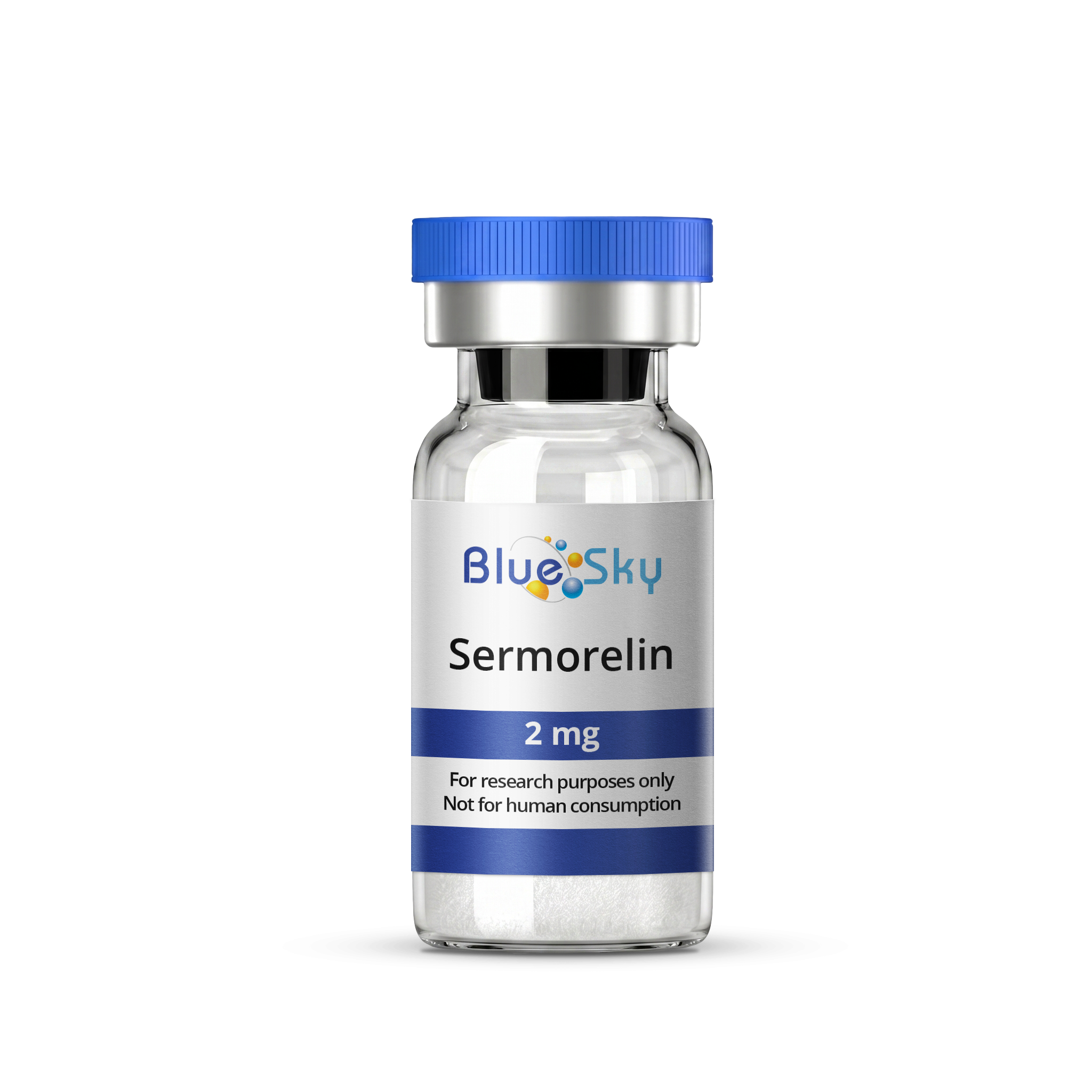
- Sermorelin 2mg: 5 Quantity
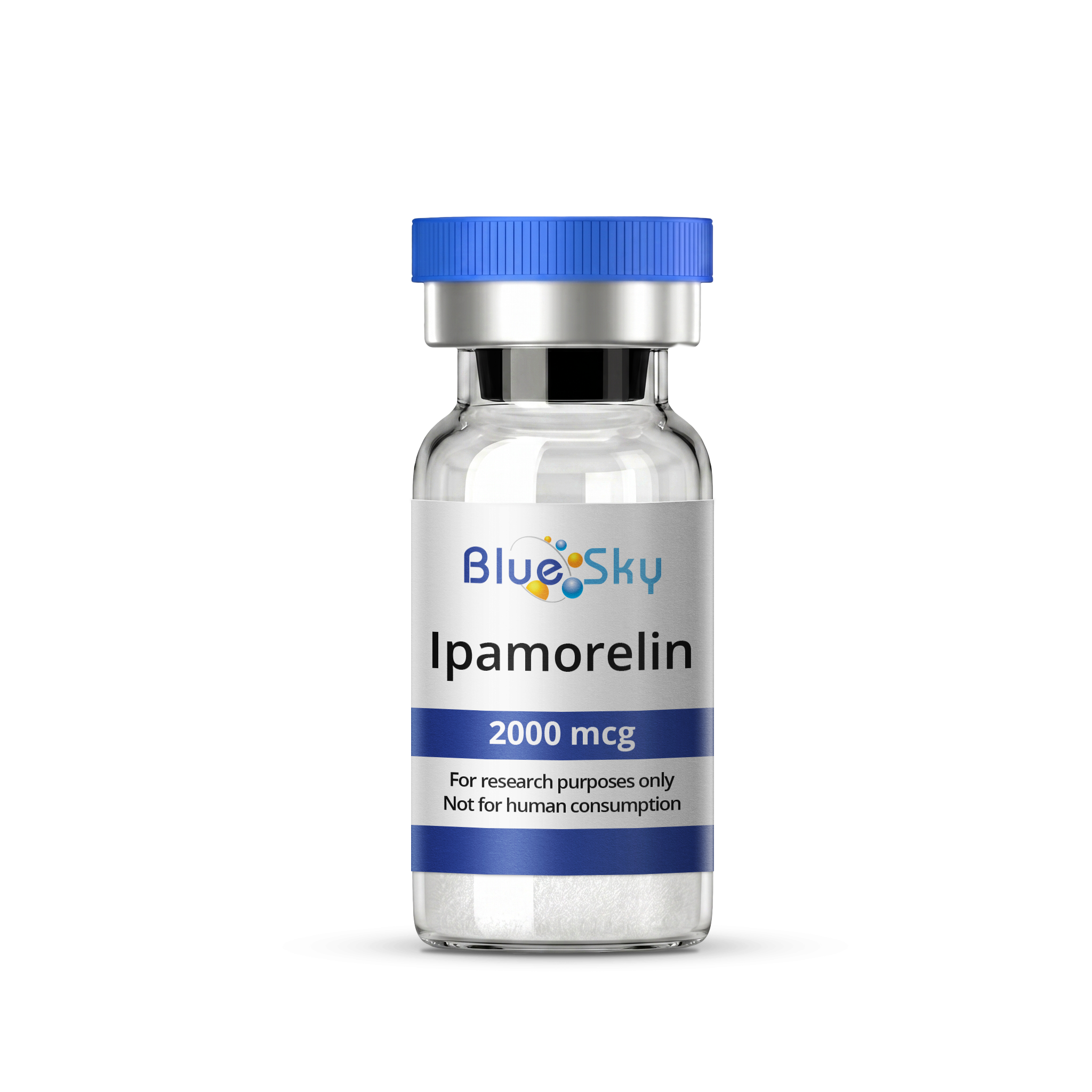
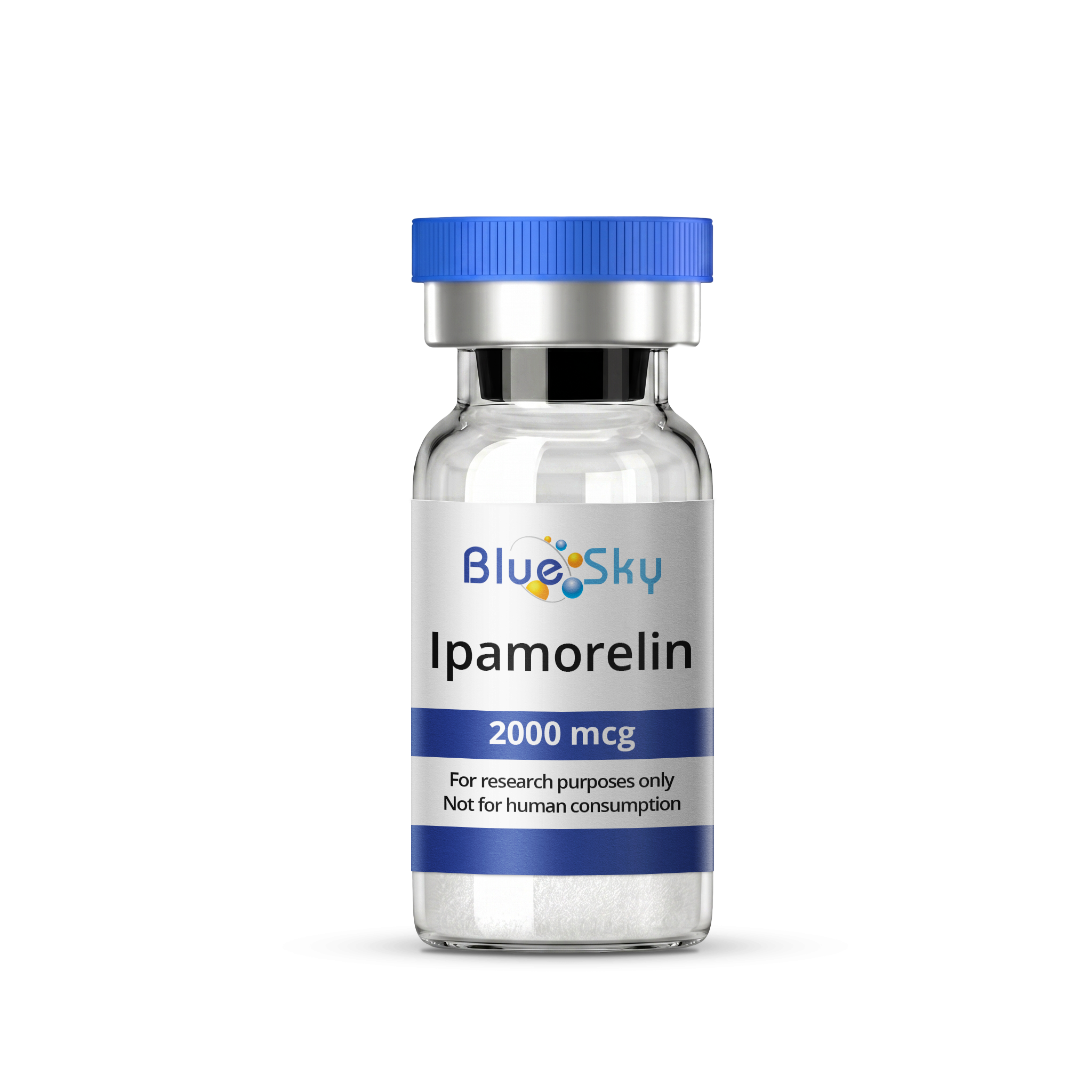
- IPAMORELIN 2000mcg: 5 Quantity

- Free Priority Shipping
- Orders over $75


Buy Sermorelin 2mg :
| Unit Size | 2 mg/vial |
| Unit Quantity | 1 vial |
| Purity (Mass Spectrometry and UV) | 99.16% |
| Sequence | H-Tyr-Ala-Asp-Ala-Ile-Phe-Thr-Asn-Ser-Tyr-Arg-Lys-Val-Leu-Gly-Gln-Leu- Ser-Ala-Arg-Lys-Leu-Leu-Gln-Asp-Ile-Met-Ser-Arg-NH2 |
| Molecular Formula | C149H246N44O42S |
| Appearance | Lyophilized White Powder |
| Source | Chemical Synthesis |
| Storage | Lyophilized Sermorelin is stable at room temperature for 90 days; however, it is best stored in a freezer at -20°C for any extended period of time. After reconstitution, Sermorelin should be refrigerated at temperatures not to exceed 35°F. |
| Terms | The products we offer are intended for laboratory research use only. Please familiarize yourself with our terms of service prior to ordering. |
Buy IPAMORELIN 2000mcg :
| Unit Size | 2 mg/vial |
| Unit Quantity | 1 vial |
| Purity (Mass Spectrometry and UV) | 99.78% |
| Sequence | H-Aib-His-D-2-Nal-D-Phe-Lys-NH2 |
| Molecular Formula | C38H49N9O5 |
| Appearance | Lyophilized White Powder |
| Source | Chemical Synthesis |
| Storage | Lyophilized Ipamorelin is stable at room temperature for 90 days; however, it is best stored in a freezer at -20°C for any extended period of time. After reconstitution, Ipamorelin should be refrigerated at temperatures not to exceed 35°F. |
| Terms | The products we offer are intended for laboratory research use only. Please familiarize yourself with our terms of service prior to ordering. |
| COA Verification | Verify Sermorelin COA on MZ Biolabs → Verify Ipamorelin COA on MZ Biolabs → |
Bundle (Sermorelin 2mg x5 + Ipamorelin 2mg x5)
View Research Overview
This bundle pairs five 2mg vials of sermorelin with five 2mg vials of ipamorelin. One is a straight-chain fragment of a native sequence; the other is a compact synthetic peptide built largely from non-standard amino acids.
Each binds a separate receptor, so the set lends itself to side-by-side in vitro comparison of peptide design, enzymatic stability and receptor signaling.
A Study in Contrasting Peptide Design
- Sermorelin: 29 residues, all standard L-amino acids, with only a C-terminal amide as modification. Roughly 3.36 kDa.
- Ipamorelin: 5 residues, three of them non-standard (Aib, D-2-naphthylalanine, D-phenylalanine), with a C-terminal amide. Roughly 0.71 kDa.
Sermorelin keeps the native sequence close to how it occurs naturally. Ipamorelin was arrived at by medicinal chemistry, developed from earlier synthetic peptide agonists of its receptor through residue trimming and substitution.
How the Two Peptides Are Synthesized
Both are made by solid-phase peptide synthesis, where the chain is assembled one residue at a time on a resin, but their length makes the task very different.
- Sermorelin requires 28 consecutive coupling steps. Small per-step inefficiencies compound, so a meaningful fraction of chains end up as one-residue deletion sequences that must be removed by preparative HPLC.
- Ipamorelin needs only four couplings, so deletion byproducts are far less of a concern. Its challenge lies instead in incorporating the non-standard residues (Aib, D-2-naphthylalanine) cleanly and in verifying correct stereochemistry.
This difference is a practical illustration of why short, modified peptides can often be purified to very high analytical purity more readily than longer native-sequence fragments.
Ligand Recognition at the Ghrelin Receptor
Ipamorelin's target, the ghrelin receptor (GHSR1a), naturally binds a 28-residue peptide carrying an unusual fatty-acid acyl group on one of its serines. That acyl group is essential for the native ligand's activity.
Cryo-EM structures of the receptor bound both to this acylated native peptide and to a synthetic, non-acylated peptide agonist have shown how each occupies the binding pocket [1]. This gives a structural basis for understanding how short synthetic agonists can activate the receptor without the acyl group.
The receptor also shows strong signaling even without any ligand bound. In transfected cell lines this constitutive activity is pronounced enough that it can be reversed by an inverse agonist [2], a point worth building into any ipamorelin assay baseline.
Sermorelin at the GHRH Receptor
Sermorelin binds the GHRH receptor, a class B GPCR with a large extracellular domain. Its helical C-terminal portion engages that domain, while its N-terminal residues reach into the transmembrane core to drive activation [3].
Activation is read out most often through Gαs-driven cAMP production, in contrast to the Gαq pathway used by the ghrelin receptor.
Solubility and Reconstitution
The two peptides differ enough in character that they are not reconstituted the same way by default.
Sermorelin carries five basic residues against two acidic ones, giving it a net positive charge and good solubility in water or dilute acidic solution. Ipamorelin is small but comparatively hydrophobic, owing to its two adjacent aromatic side chains, so it may benefit from a small amount of a milder co-solvent before dilution into aqueous buffer.
For both, a common approach is to prepare a concentrated stock first and dilute into assay buffer shortly before use. Concentrated stocks lose proportionally less material to container surfaces, and both peptides can adsorb to glass and some plastics at low concentration. Low-binding labware, or a carrier protein added at the final dilution, helps keep the working concentration accurate.
Comparing Enzymatic Stability In Vitro
The two peptides make a clear contrast in protease susceptibility:
- Sermorelin: its free N-terminal Tyr-Ala sequence is a recognition motif for dipeptidyl peptidase IV (DPP-IV), which removes the first two residues
- Ipamorelin: its Aib and two D-residues give its backbone broad resistance to the proteases that recognize standard L-amino acid sequences
Side by side in a buffer or serum-containing medium, the two illustrate how backbone modification changes a peptide's working lifetime, which is useful context when designing time-course experiments.
Analytical Characterization
Both peptides are verified by reversed-phase HPLC for purity and mass spectrometry for identity, but their size difference shows up in the data:
- Sermorelin (about 3355.8 Da monoisotopic) gives a series of multiply charged ions by electrospray; key impurities include Met27 sulfoxide, Asn8 deamidation, and Asp3 isomers [4]
- Ipamorelin (about 711.4 Da monoisotopic) appears as singly and doubly charged ions; key impurities include L-for-D diastereomers, which share the peptide's mass and separate only by HPLC
Because the two run very differently on reversed-phase columns, each is handled with its own HPLC method rather than a shared gradient.
Assay Controls and Concentration–Response Setup
Because the two peptides act at different receptors with different baseline behavior, each benefits from its own control scheme in vitro.
- Receptor-negative control: the untransfected parental cell line, run alongside the receptor-expressing line, to define background signal
- Reference agonist: the native ligand for each receptor, run on the same plate so a peptide's response can be normalized against a full-agonist response
- Specificity check: testing each peptide on the other receptor's cells to confirm signaling is receptor-specific rather than an artifact
Concentration–response curves are typically built from serial dilutions of a verified stock, spanning several orders of magnitude so that a full sigmoidal curve and a reliable EC50 can be fitted. For the ghrelin receptor, the elevated ligand-independent baseline noted above means responses are usually expressed relative to that baseline as well as to the negative control.
Storage and Handling
Both are supplied lyophilized and keep best frozen in sealed vials. With five of each on hand, a laboratory can reconstitute one vial at a time and leave the rest dry, preserving the most stable form of the unused material.
Reconstitute each peptide separately, label working solutions with lot and date, and keep the two receptor systems' reagents clearly apart to avoid cross-contamination between assays.
References
- Wang Y, Guo S, Zhuang Y, et al. Molecular recognition of an acyl-peptide hormone and activation of ghrelin receptor. Nat Commun. 2021;12:5064. doi:10.1038/s41467-021-25364-2
- Holst B, Cygankiewicz A, Jensen TH, Ankersen M, Schwartz TW. High constitutive signaling of the ghrelin receptor: identification of a potent inverse agonist. Mol Endocrinol. 2003;17(11):2201–2210. doi:10.1210/me.2003-0069
- Zhou F, Zhang H, Cong Z, et al. Structural basis for activation of the growth hormone-releasing hormone receptor. Nat Commun. 2020;11:5205. doi:10.1038/s41467-020-18945-0
- Bongers J, Heimer
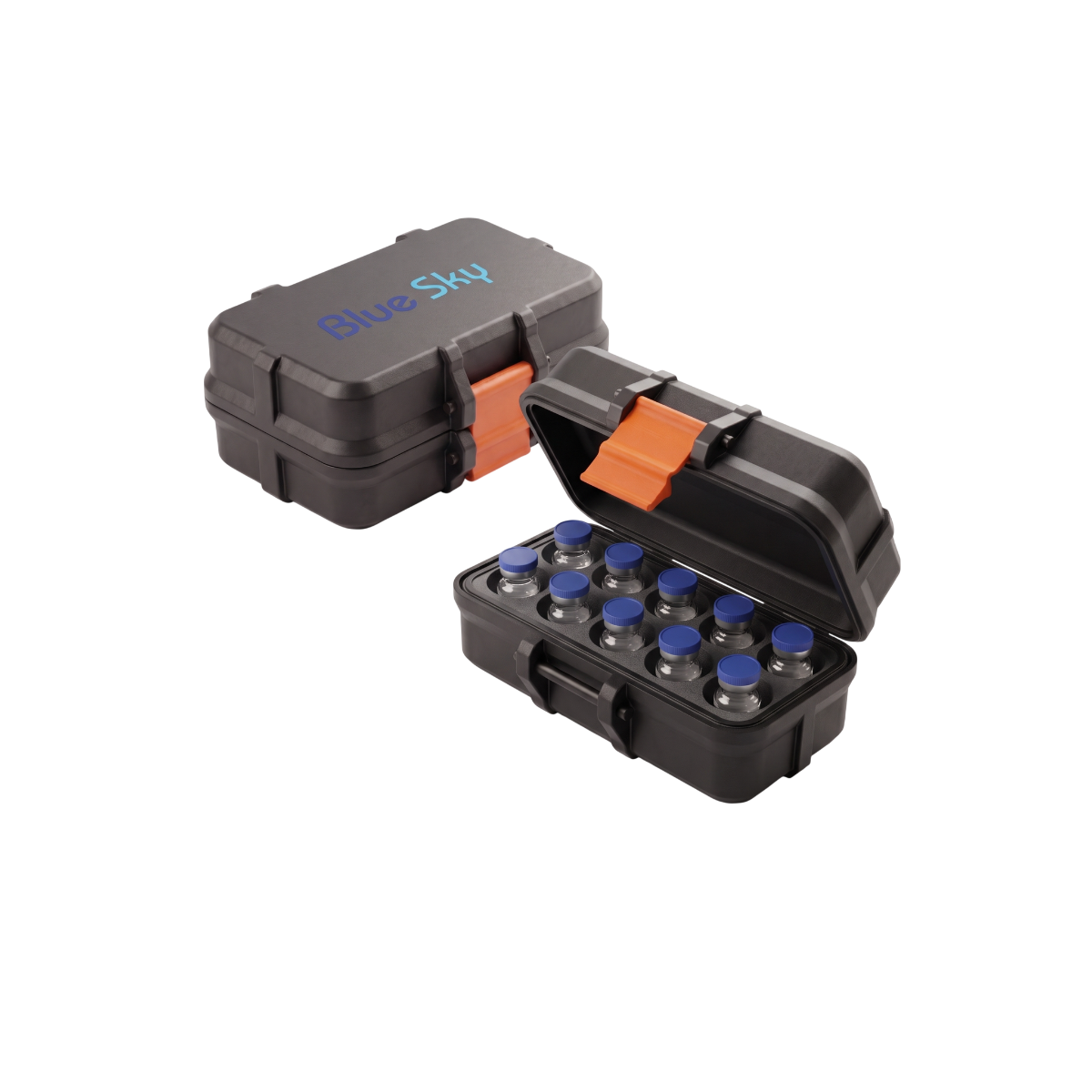
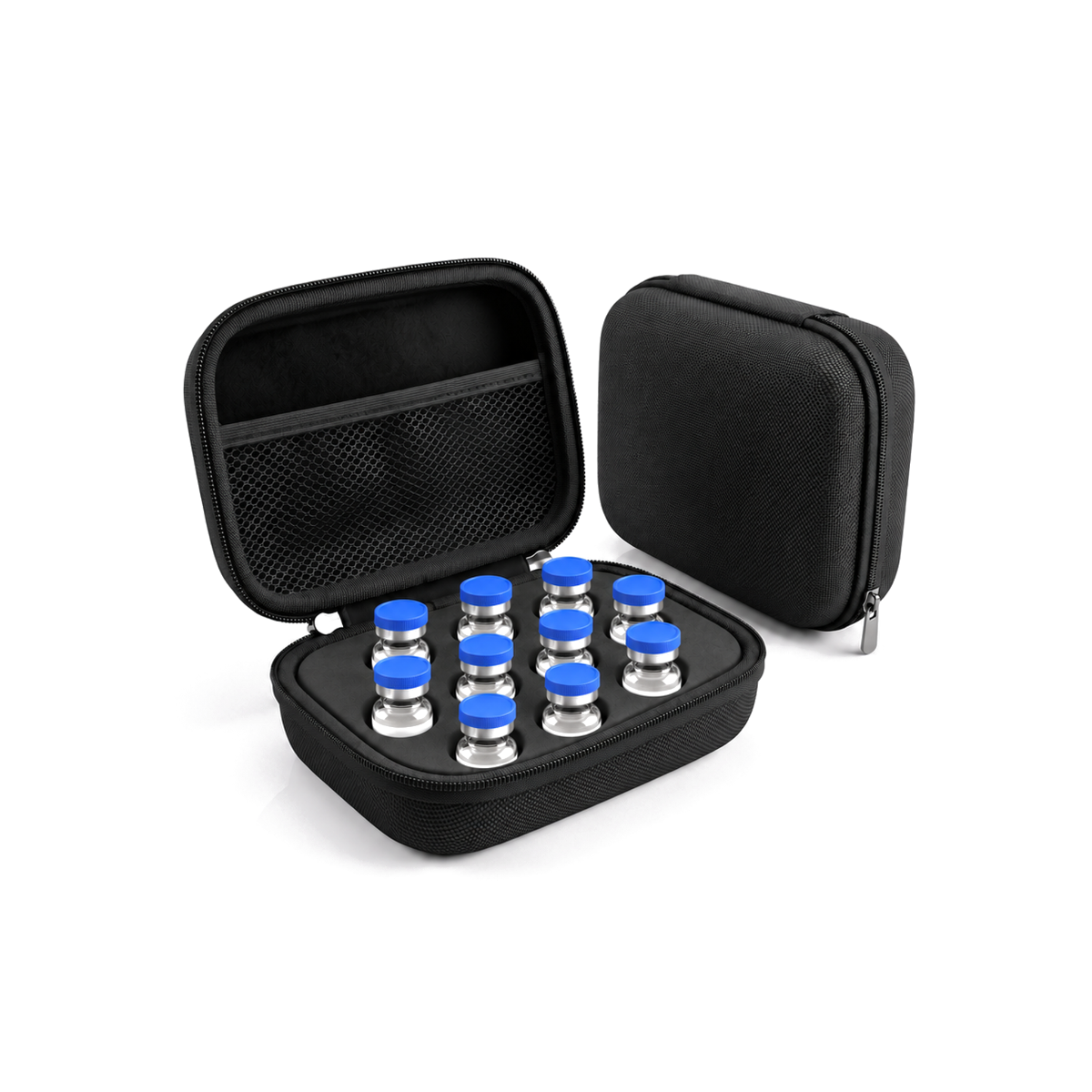 Storage Case (10)$9.99
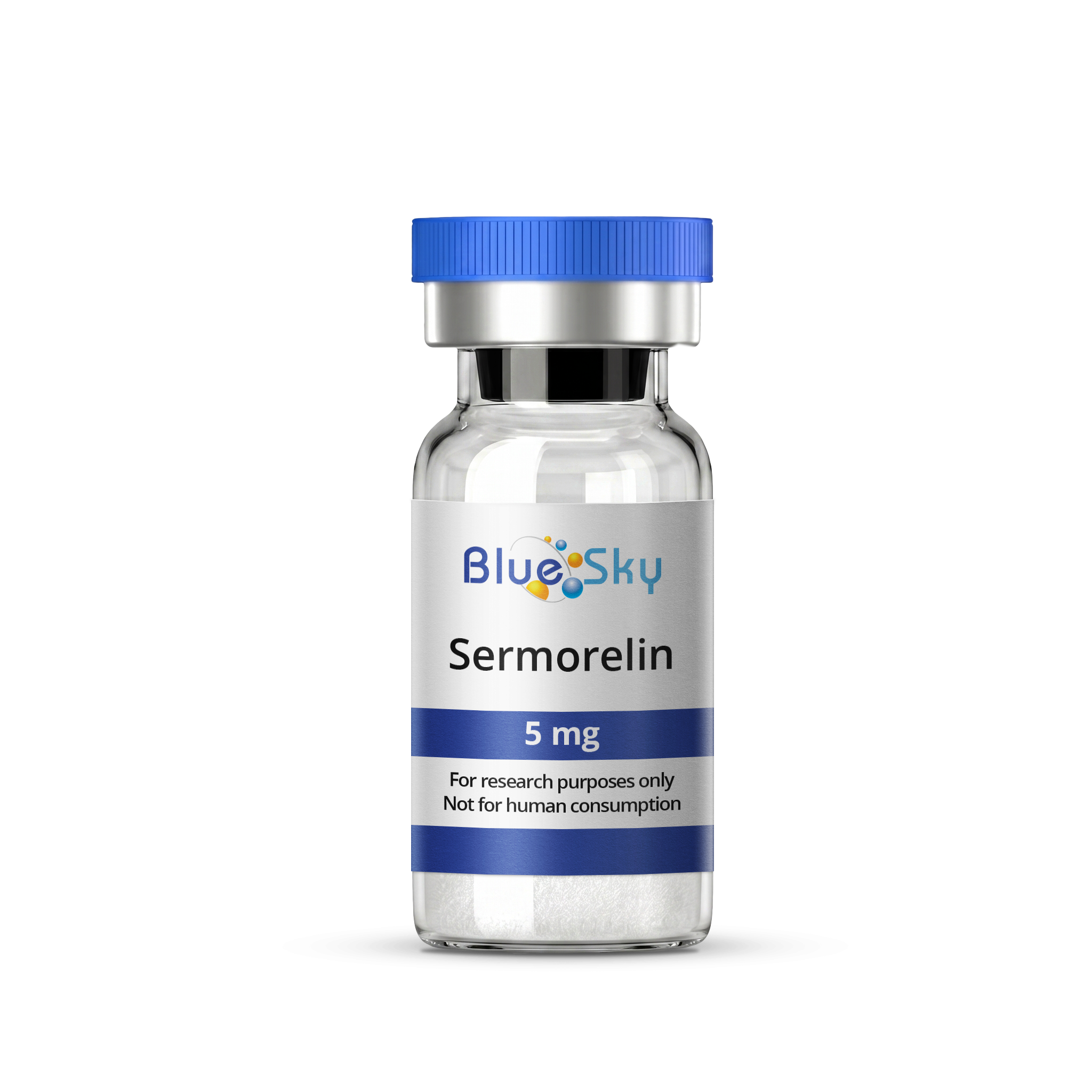 Sermorelin-5mg$23.58
 IPAMORELIN 2000mcg$16.78
 Buy Bulk Sermorelin 2mg$51.95
 Buy Bulk IPAMORELIN 2000mcg$41.95
Black Friday: 60% Off EVERYTHING*
NO PROMO CODE REQUIRED


 Login