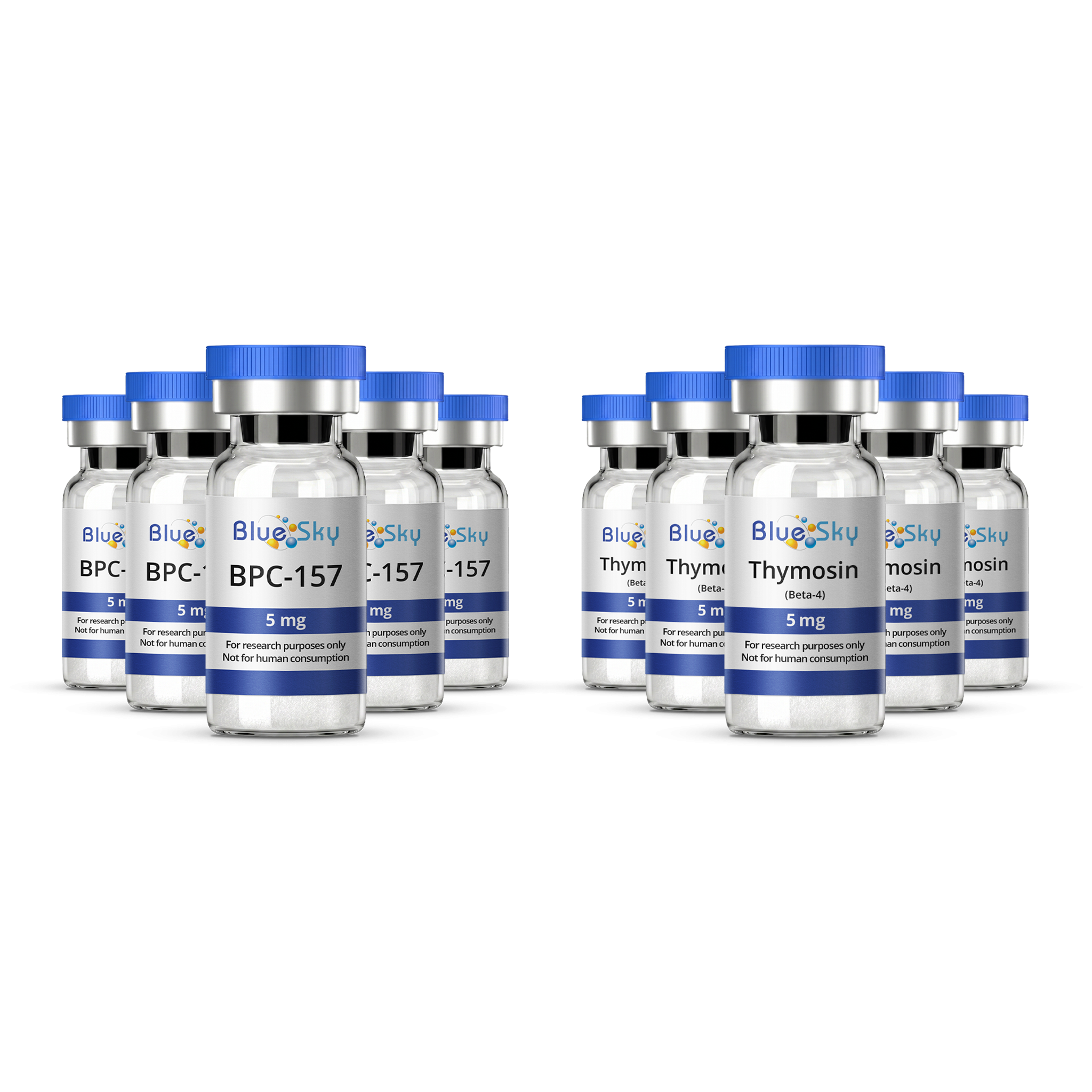
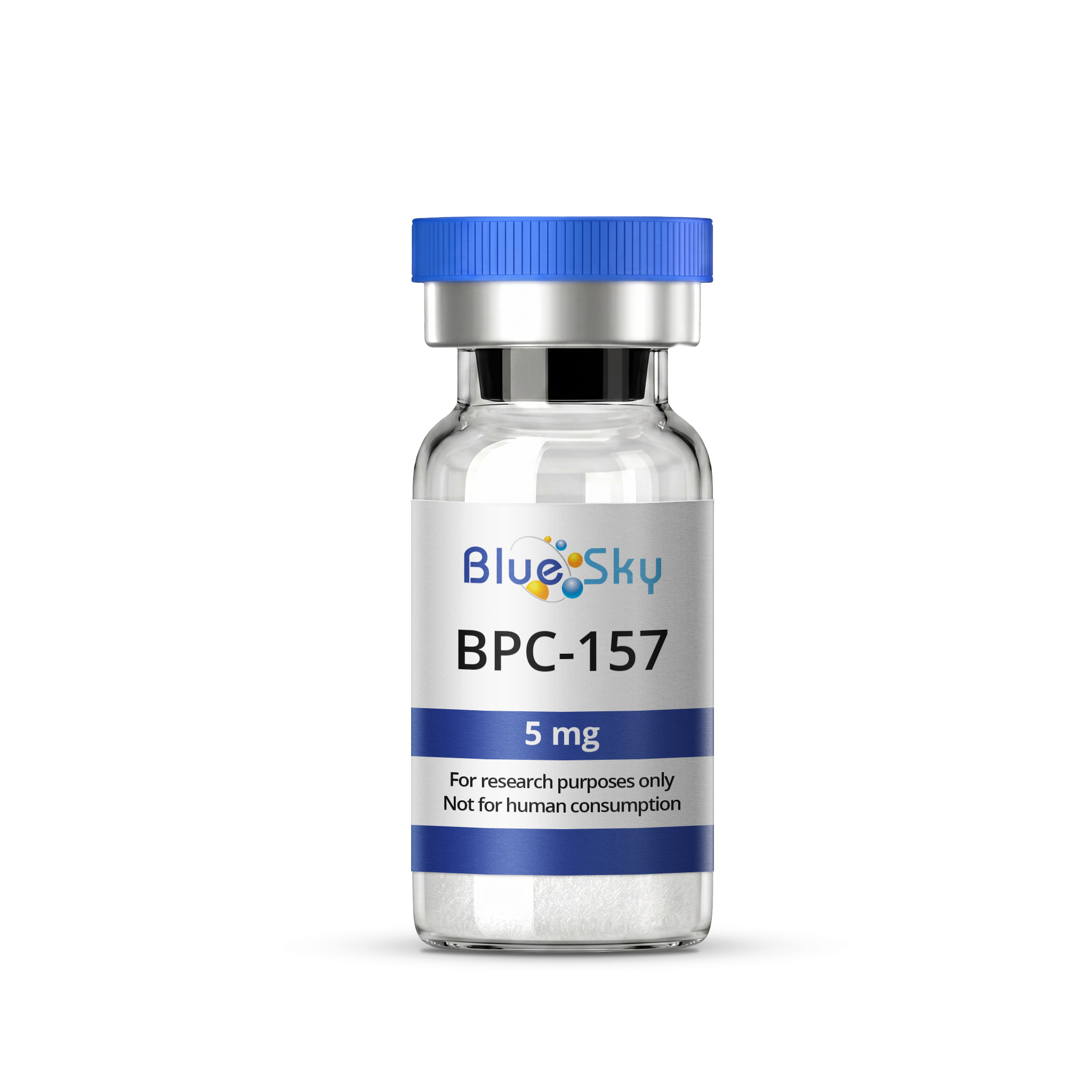
Bundle (BPC-157 5mg x5 + TB500 5mg x5)
- BPC 157 5MG: 5 Quantity
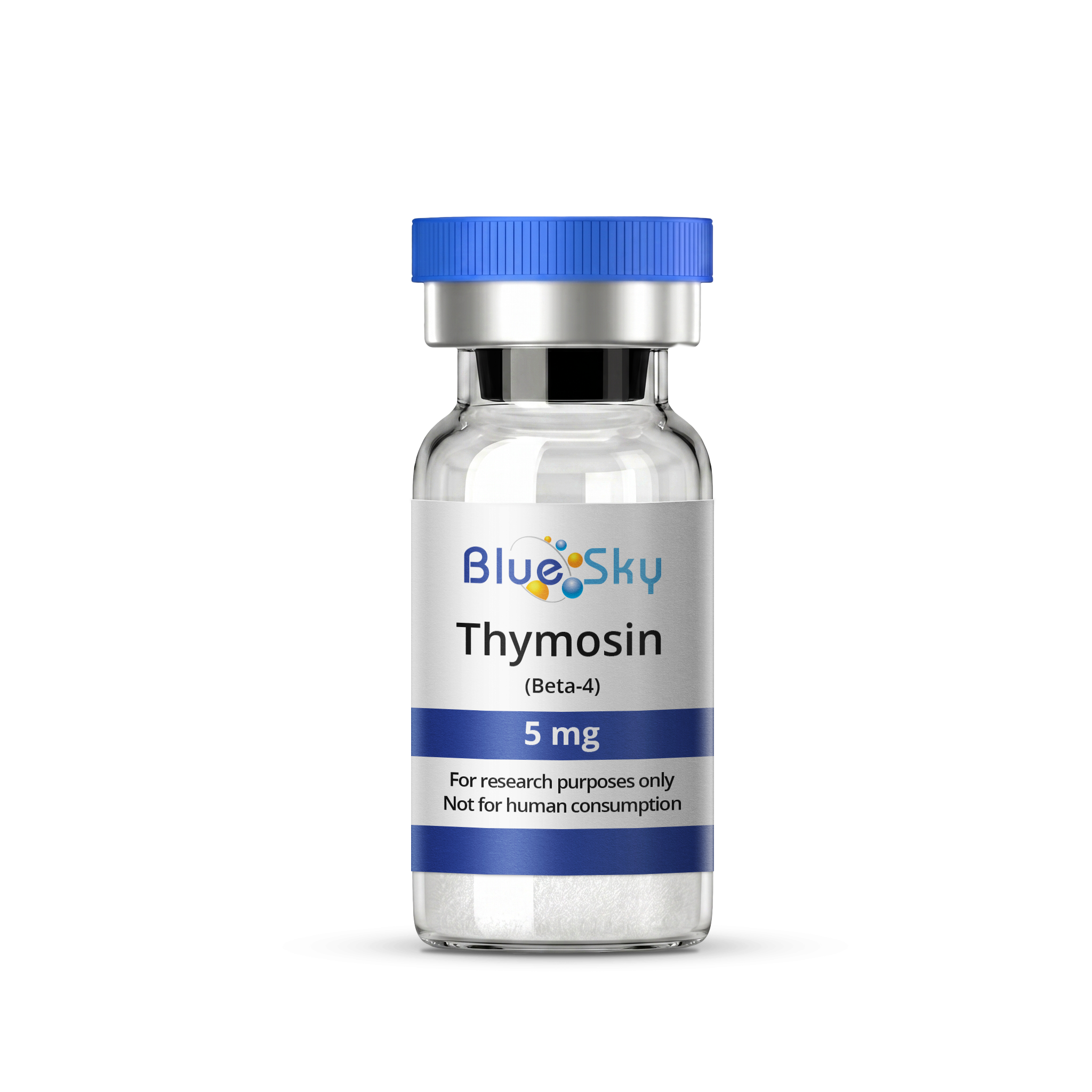
- Thymosin Beta 4 (TB500) 5mg: 5 Quantity

- Free Priority Shipping
- Orders over $75


Buy BPC 157 5mg:
| Unit Size | 5 mg/vial |
| Unit Quantity | 1 vial |
| Purity (Mass Spectrometry and UV) | 99.77% |
| Sequence | H-Gly-Glu-Pro-Pro-Pro-Gly-Lys-Pro-Ala-Asp-Asp-Ala-Gly-Leu-Val-OH |
| Molecular Formula | C62H98N16O22 |
| Appearance | Lyophilized White Powder |
| Source | Chemical Synthesis |
| Storage | Lyophilized BPC 157 is stable at room temperature for 90 days; however, it is best stored in a freezer at -20°C for any extended period of time. |
| Terms | The products we offer are intended for laboratory research use only. Please familiarize yourself with our terms of service prior to ordering. |
| COA Verification | Verify this COA on Freedom Diagnostics → |
Buy Thymosin Beta 4 (TB500) 5mg:
| Unit Size | 5 mg/vial |
| Unit Quantity | 1 vial |
| Purity (Mass Spectrometry and UV) | 99.92% |
| Sequence | Ac-Ser-Asp-Lys-Pro-Asp-Met-Ala-Glu-Ile-Glu-Lys-Phe-Asp-Lys-Ser- Lys-Leu-Lys-Lys-Thr-Glu-Thr-Gln-Glu-Lys-Asn-Pro-Leu-Pro-Ser-Lys- Glu-Thr-Ile-Glu-Gln-Glu-Lys-Gln-Ala-Gly-Glu-Ser-OH |
| Molecular Formula | C212H350N56O78S |
| Appearance | Lyophilized White Powder |
| Source | Chemical Synthesis |
| Storage | Lyophilized TB500 is stable at room temperature for 90 days; however, it is best stored in a freezer at -20°C for any extended period of time. |
| Terms | The products we offer are intended for laboratory research use only. Please familiarize yourself with our terms of service prior to ordering. |
| COA Verification | Verify this COA on MZ Biolabs → |
Bundle: BPC-157 5mg (x5) + TB500 5mg (x5)
View Research Overview & References
This bundle pairs five individually-supplied vials of BPC-157 (5mg) with five individually-supplied vials of Thymosin Beta 4/TB-500 (5mg), for researchers who want both peptides on hand without committing to a fixed mixing ratio.
Independent Verification Versus a Pre-Mixed Formulation
Because each vial in this bundle contains a single peptide rather than a blended formulation, each is independently verified by HPLC and mass spectrometry against its own single-compound specification, without the added analytical step of confirming a fixed ratio between two co-formulated peptides.
This differs from a pre-mixed blend, where the two peptides would instead be combined into a single formulation at a fixed, manufacturer-set ratio.
Thymosin Beta 4 (TB-500) Actin-Binding Research
Thymosin Beta 4 functions as the principal G-actin sequestering peptide in the cytoplasm, forming a 1:1 complex with monomeric actin that inhibits its polymerization into filaments, a mechanism studied in laboratory research on cell migration and differentiation.1
BPC-157 Structural Considerations
BPC-157 is a synthetic pentadecapeptide originally derived from a protein found in gastric juice, distinguished by an unusually high proline content across roughly a quarter of its fifteen residues.
This proline-dense backbone is understood to impose conformational rigidity, a structural feature researchers have linked to the peptide's reported resistance to enzymatic degradation in laboratory assay systems.
Combined Research Applications
Because BPC-157 and Thymosin Beta 4 are studied for distinct cell signaling mechanisms, cytoskeletal actin dynamics for the latter, receptor-independent signaling for the former, researchers may study them side by side to examine multiple pathways within the same experimental model.
Data specific to combined use of these two peptides remains limited, and any such research should be treated as exploratory.
Analytical Verification for Bulk Vial Quantities
With five vials of each peptide supplied together, researchers are encouraged to confirm that certificates of analysis are available for each individual vial or production lot, since synthesis batches can vary even under the same nominal specification.
Storage and Handling in the Laboratory Setting
Both peptides are best kept lyophilized under sub-zero freezer conditions until shortly before use, since peptide bonds become more susceptible to hydrolysis and oxidative breakdown once removed from this stable, freeze-dried state.
With ten vials to manage across this bundle, keeping them organized by peptide and batch simplifies tracking which vials have been opened versus those still sealed in storage.
A Run of Three Consecutive Prolines
BPC-157 carries four prolines among its fifteen residues, and three of them sit together at positions 3, 4 and 5, with the fourth at position 8.
Consecutive prolines behave differently from scattered ones. A run of three adopts a polyproline geometry, an extended left-handed spiral quite unlike the common right-handed helix, and considerably more rigid than an ordinary stretch of backbone. The result is that the first third of this peptide is conformationally locked rather than freely flexible, while the second half, built largely from glycine, alanine, aspartate, leucine and valine, is comparatively unconstrained. A single fifteen-residue sequence therefore contains two regions with markedly different backbone behavior.
Where the Line Between Peptide and Protein Falls
This page calls BPC-157 a pentadecapeptide and Thymosin Beta 4 a protein, and that difference in wording is worth a note, because the boundary is a convention rather than a rule.
No defined residue count marks where a peptide becomes a protein. Usage generally shifts somewhere around forty to fifty residues, which places Thymosin Beta 4 at 43 directly on the line, and published work describes it both ways: often as a peptide when the discussion concerns its actin-binding motif, and as a protein when the subject is its gene and expression. BPC-157 at fifteen residues sits unambiguously on the peptide side.
Two Certificates, Two Laboratories
The verification links in the tables above point to two different third-party testing laboratories, which is worth explaining rather than leaving as a curiosity.
Each production lot is tested by whichever laboratory handled that lot, and the certificate itself names the laboratory alongside the lot identifier and the date of analysis. A certificate is therefore specific to one lot of one compound rather than to a product line, and the two documents linked here cover two separate materials tested independently of one another.
Anyone comparing figures is better served reading the lot identifier on each certificate than treating a purity value as a fixed property of a product name.
BPC-157 Carries a Net Negative Charge
Across its fifteen positions, BPC-157 has one glutamate and two aspartates against a single lysine, with free groups at both termini.
Three acidic side chains against one basic one leave the molecule net negative at neutral pH once the C-terminal carboxyl is counted. That accounts for its ready solubility in water and governs its behavior on ion-exchange media, where it binds an anion exchanger rather than a cation exchanger. It is also one of the features that separates it analytically from net-positive peptides of similar length.
Important Notice
BPC-157 and Thymosin Beta 4 (TB500) are strictly for in vitro laboratory research purposes only and are not intended for human consumption. These findings do not establish safety, efficacy, or suitability for any human application, and these products have not been evaluated by the FDA or any regulatory agency.
Product Information
This bundle includes 5 vials of BPC-157 at 5mg per vial and 5 vials of Thymosin Beta 4 (TB500) at 5mg per vial, supplied as lyophilized powders for laboratory research use only.
References
1. Huff T, Müller CS, Otto AM, Netzker R, Hannappel E. Beta-Thymosins, small acidic peptides with multiple functions. Int J Biochem Cell Biol. 2001 Mar;33(3):205-20.
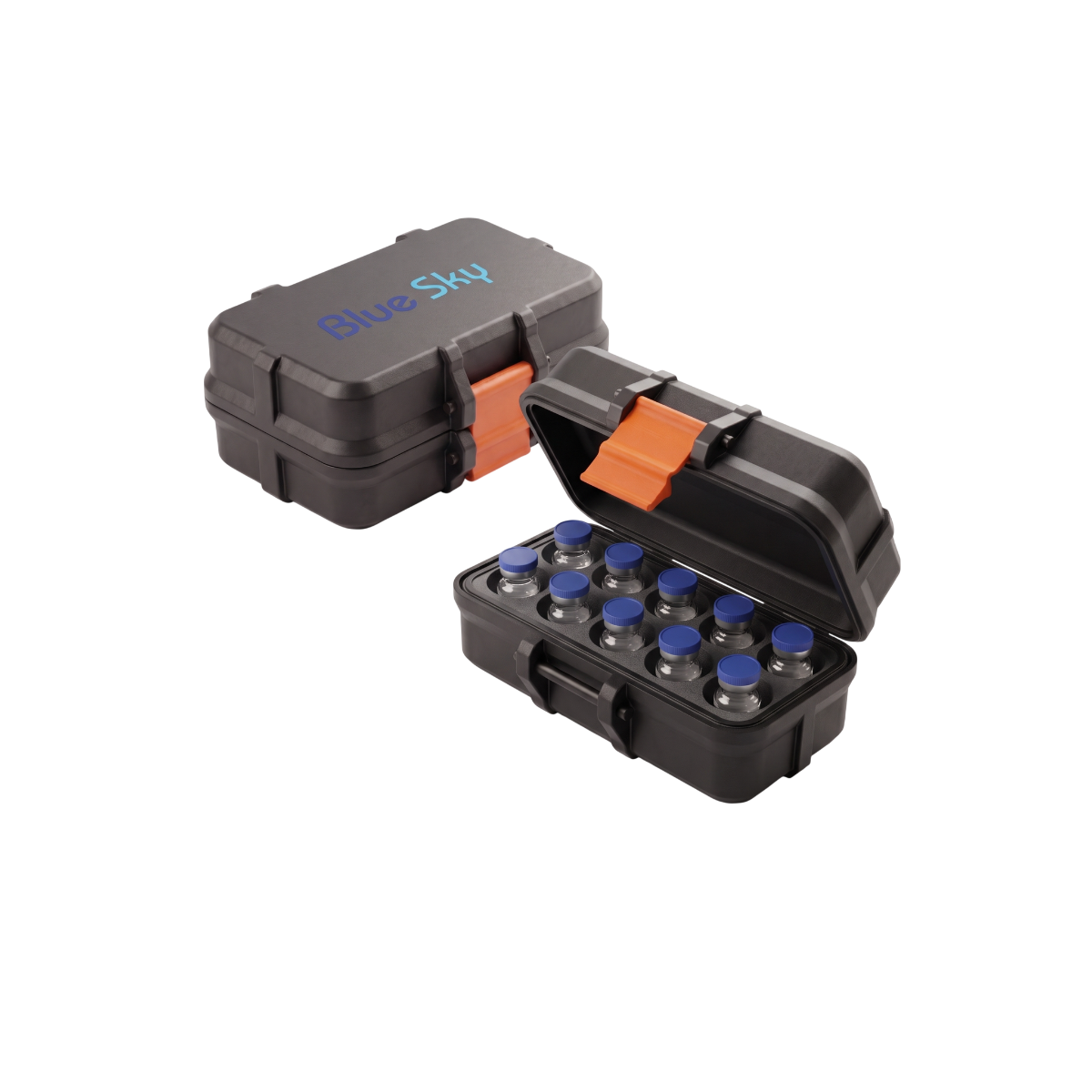
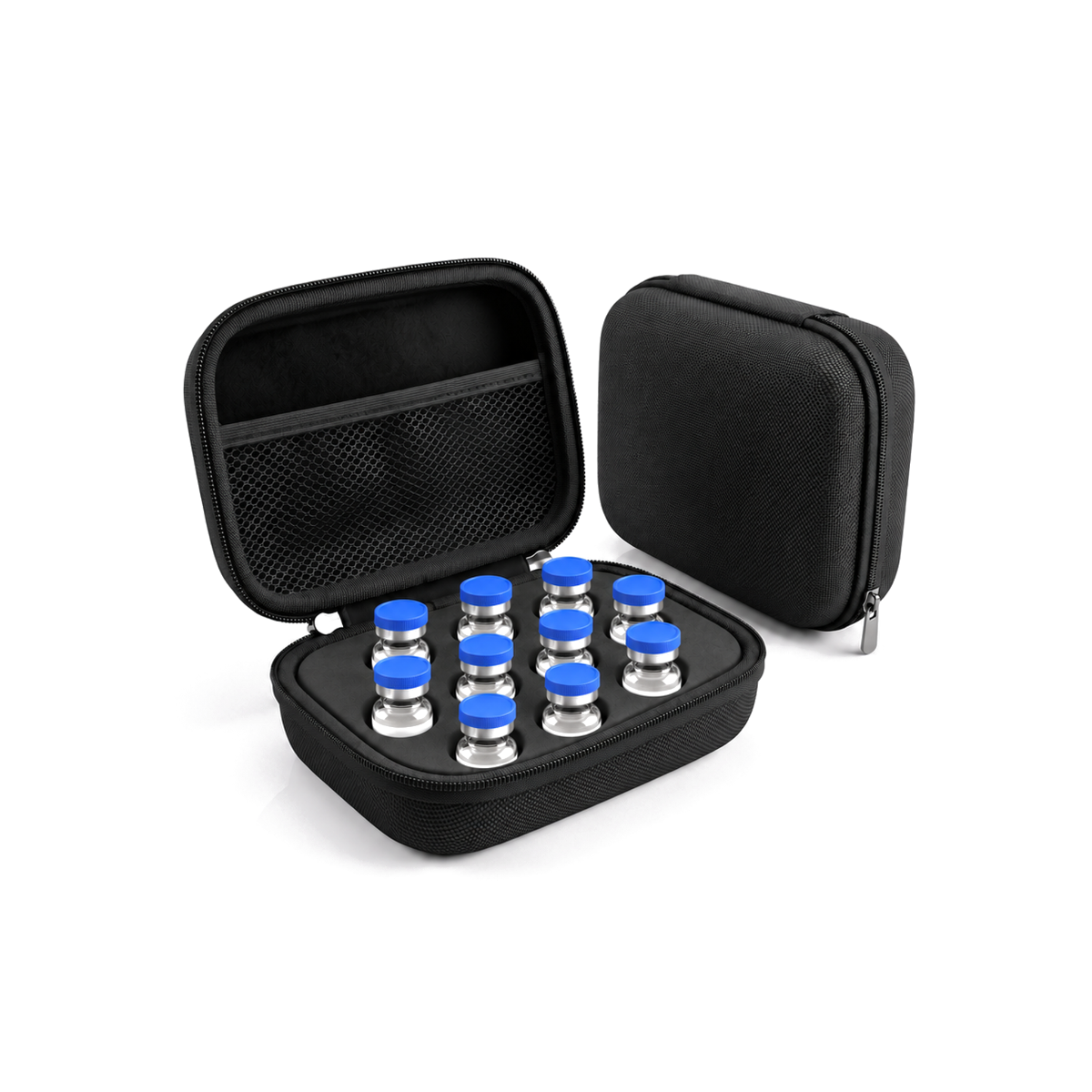 Storage Case (10)$9.99
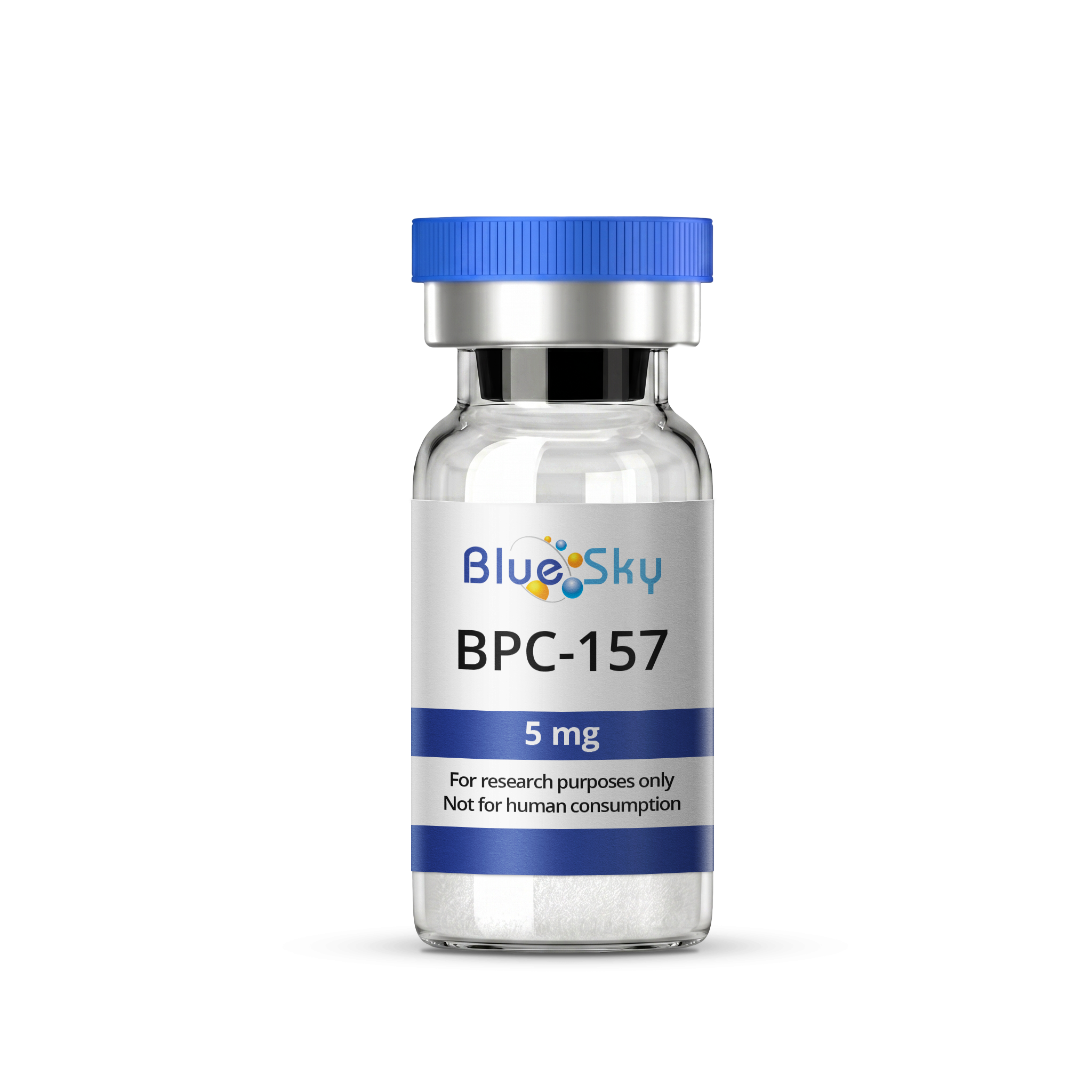 BPC 157 5mg$31.18
 Buy Bulk BPC 157 5MG$77.95


 Login