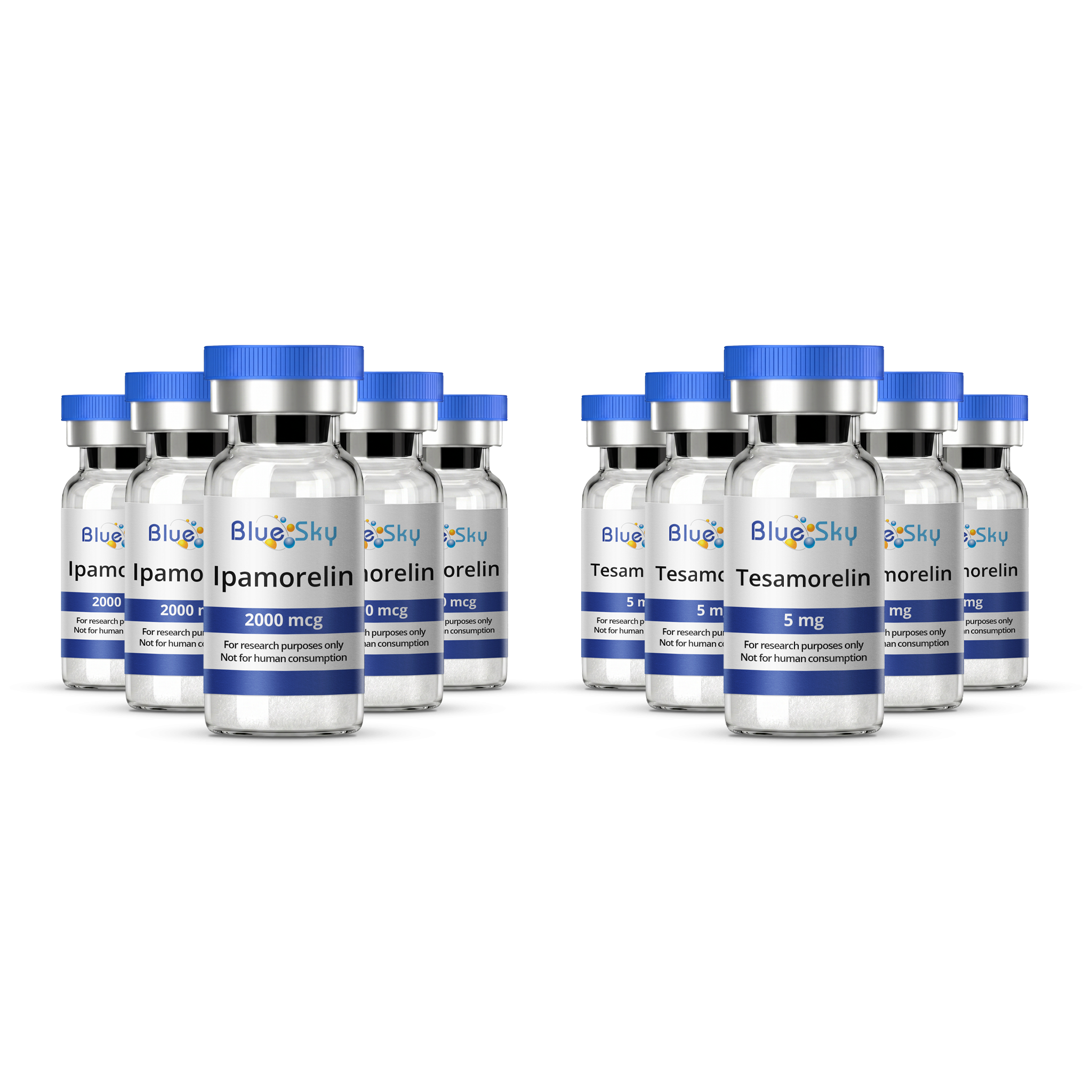
Bundle (Ipamorelin 2mg x5 + Tesamorelin 5mg x5)
- Ipamorelin 2mg: 5 Quantity
- Tesamorelin 5mg: 5 Quantity

- Free Priority Shipping
- Orders over $75



IPAMORELIN 2000mcg :
| Unit Size | 2 mg/vial |
| Unit Quantity | 1 vial |
| Purity (Mass Spectrometry and UV) | 99.78% |
| Sequence | H-Aib-His-D-2-Nal-D-Phe-Lys-NH2 |
| Molecular Formula | C38H49N9O5 |
| Appearance | Lyophilized White Powder |
| Source | Chemical Synthesis |
| Storage | Lyophilized Ipamorelin is stable at room temperature for 90 days; however, it is best stored in a freezer at -20°C for any extended period of time. After reconstitution, Ipamorelin should be refrigerated at temperatures not to exceed 35°F. |
| Terms | The products we offer are intended for laboratory research use only. Please familiarize yourself with our terms of service prior to ordering. |
Tesamorelin 5mg :
| Unit Size | 5 mg/vial |
| Unit Quantity | 1 vial |
| Purity (Mass Spectrometry and UV) | 99.91% |
| Sequence | (trans-3-Hexenoyl)-Tyr-Ala-Asp-Ala-Ile-Phe-Thr-Asn-Ser-Tyr-Arg-Lys-Val-Leu-Gly- Gln-Leu-Ser-Ala-Arg-Lys-Leu-Leu-Gln-Asp-Ile-Met-Ser-Arg-Gln-Gln-Gly-Glu- Ser-Asn-Gln-Glu-Arg-Gly-Ala-Arg-Ala-Arg-Leu-NH2 |
| Molecular Formula | C221H366N72O67S |
| Appearance | Lyophilized White Powder |
| Source | Chemical Synthesis |
| Storage | Lyophilized Tesamorelin is stable at room temperature for 90 days; however, it is best stored in a freezer at -20°C for any extended period of time. After reconstitution, Tesamorelin should be refrigerated at temperatures not to exceed 35°F. |
| Terms | The products we offer are intended for laboratory research use only. Please familiarize yourself with our terms of service prior to ordering. |
| COA Verification | Verify Ipamorelin COA on MZ Biolabs → Verify Tesamorelin COA on MZ Biolabs → |
Bundle (Ipamorelin 2mg x5 + Tesamorelin 5mg x5)
View Research Overview
This bundle contains five vials of ipamorelin (2mg) and five vials of tesamorelin (5mg). The two peptides differ sharply in size and structure, and each acts at a different receptor belonging to a different GPCR class.
That contrast makes the pair useful for in vitro work comparing peptide chemistry, receptor pharmacology and analytical methods across very different molecules.
Two Peptides, Two Receptor Systems
- Ipamorelin: a 5-residue synthetic peptide, about 712 g/mol, acting at the ghrelin receptor (GHSR1a), a class A GPCR coupled mainly to Gαq/11
- Tesamorelin: a 44-residue modified peptide, about 5136 g/mol, acting at the GHRH receptor, a class B GPCR coupled mainly to Gαs
Because the two receptors use different G proteins, they are typically studied with different assay readouts, described further below.
Ipamorelin: Structure and Chemistry
Ipamorelin is a short, heavily modified pentapeptide. Three of its five residues are non-standard:
- Aib1 (α-aminoisobutyric acid): carries two methyl groups on its α-carbon, which restricts backbone flexibility and hinders protease access
- D-2-Nal3 (D-2-naphthylalanine): a bulky, D-configured aromatic residue with a two-ring naphthyl side chain
- D-Phe4: a second D-configured aromatic residue
The remaining residues are His2 and Lys5, with the C-terminus amidated. Two D-residues plus Aib give the sequence strong resistance to common proteases, which recognize standard L-amino acid backbones.
The two adjacent aromatic side chains make ipamorelin relatively hydrophobic for its size, while His2, Lys5 and the free N-terminal amine provide positive charge and aid solubility in aqueous solution.
Ipamorelin: Receptor Pharmacology
In cell-based assays, ipamorelin acts as an agonist at the ghrelin receptor. This receptor is notable for its unusually high ligand-independent (constitutive) activity.
In transfected cell lines, the receptor produced strong inositol phosphate signaling with no ligand present. Agonists increased signaling further, and an inverse agonist was able to suppress the baseline down to the level of untransfected cells [1].
This constitutive activity matters for assay design. Baseline signal in receptor-expressing cells is already elevated, so results are usually reported relative to both untransfected cells and the receptor-expressing baseline.
Cryo-EM structures of the ghrelin receptor bound to its native acylated peptide and to a synthetic peptide agonist, each in complex with Gq, have defined how peptide ligands are recognized in its binding pocket [2]. These provide a structural reference for modeling short synthetic agonists such as ipamorelin.
Tesamorelin: Structure in Brief
Tesamorelin follows the complete 44-residue GHRH sequence, adding a trans-3-hexenoyl acyl group at the N-terminus. Its C-terminus is amidated.
The acyl group caps the N-terminal amine, the feature that otherwise leaves GHRH-based peptides open to N-terminal dipeptide cleavage. Chemically, its most reactive positions are Asp3 and Asn8, which can rearrange through succinimide intermediates [4], and Met27, which can oxidize.
Two Extremes of Peptide Length
At 5 and 44 residues, these peptides sit near opposite ends of the range made by solid-phase peptide synthesis, and that gap shapes how each is produced and purified.
- Ipamorelin needs only four coupling steps, so deletion byproducts are minor. The harder part is cleanly incorporating its non-standard residues and confirming their D-configuration.
- Tesamorelin needs 43 couplings plus an N-terminal acylation. Small per-step losses accumulate across that many steps, so a larger share of the crude product is truncated or deletion sequences that preparative HPLC must remove.
This is one reason a short peptide can often reach very high analytical purity more easily than a long one, even though both are listed at comparable purity figures.
Tesamorelin: Receptor Pharmacology
Tesamorelin is an agonist at the GHRH receptor. As a class B receptor, it binds its peptide ligand using both a large extracellular domain and a transmembrane core.
The cryo-EM structure of the receptor with native GHRH and Gs shows the helical ligand contacting the extracellular domain, extracellular loops and most transmembrane helices, with its N-terminus reaching into the receptor core [3].
Running Parallel In Vitro Assays
Laboratories working with both peptides generally study each in its own receptor system, using a readout that matches the receptor's G protein:
- Ghrelin receptor (ipamorelin): inositol phosphate (IP1) accumulation or intracellular calcium flux, reflecting Gαq signaling
- GHRH receptor (tesamorelin): cAMP accumulation or a cAMP-responsive reporter, reflecting Gαs signaling
Useful controls include the untransfected parental cell line for each receptor, and cross-testing each peptide on the other receptor's cells to confirm signaling is receptor-specific.
Analytical Notes for Both Peptides
The size gap between these peptides changes how they are characterized. Ipamorelin, at a monoisotopic mass of about 711.4 Da, typically appears in electrospray mass spectra as singly and doubly charged ions. Tesamorelin, at roughly 5.1 kDa, appears as a broad series of multiply charged ions.
Key impurities differ as well:
- Ipamorelin: diastereomers in which a D-residue is replaced by its L-form (same mass, separated by HPLC), and deletion sequences
- Tesamorelin: des-acyl peptide, Met27 sulfoxide, deamidated and isomerized forms, and truncated sequences
Chromatographically, the two behave very differently, so each is analyzed with its own optimized HPLC gradient.
Solubility and Reconstitution
The two peptides do not dissolve the same way, so default reconstitution differs.
Ipamorelin is small but comparatively hydrophobic, owing to its two adjacent aromatic side chains, and may need a small amount of a milder co-solvent before dilution into aqueous buffer. Tesamorelin is large and highly charged, with many arginine, lysine, glutamate and glutamine residues, and generally dissolves well in water or dilute acidic solution, though its N-terminal acyl tail adds a hydrophobic element.
For both, a concentrated stock is usually made first and diluted into assay buffer shortly before use. Concentrated stocks lose proportionally less material to container surfaces, and both peptides can adsorb to glass and some plastics at low concentration. Low-binding labware, or carrier protein added at the final dilution, helps keep working concentrations accurate.
Comparing Enzymatic Stability
Protease resistance is another point of contrast worth studying side by side.
- Ipamorelin: its Aib residue and two D-amino acids give its backbone broad resistance to the proteases that recognize standard L-amino acid sequences
- Tesamorelin: the native GHRH sequence is normally cleaved after position 2 by dipeptidyl peptidase IV (DPP-IV), but its N-terminal acyl cap removes the free amine that DPP-IV requires, blocking that route
So both peptides resist N-terminal cleavage, but by entirely different design strategies: unnatural backbone residues in one case, a capping acyl group in the other. Comparing them in a serum-containing medium makes that contrast concrete.
Storage and Handling
Both peptides are supplied lyophilized and are best kept frozen until needed. With five vials of each, laboratories can reconstitute one vial at a time and leave the rest sealed, keeping unused material in its most stable form.
Keeping the two peptides in clearly labeled, separate storage and preparing their solutions independently avoids cross-contamination between the two receptor assays.
References
- Holst B, Cygankiewicz A, Jensen TH, Ankersen M, Schwartz TW. High constitutive signaling of the ghrelin receptor: identification of a potent inverse agonist. Mol Endocrinol. 2003;17(11):2201–2210. doi:10.1210/me.2003-0069
- Wang Y, Guo S, Zhuang Y, et al. Molecular recognition of an acyl-peptide hormone and activation of ghrelin receptor. Nat Commun. 2021;12:5064. doi:10.1038/s41467-021-25364-2
- Zhou F, Zhang H, Cong Z, et al. Structural basis for activation of the growth hormone-releasing hormone receptor. Nat Commun. 2020;11:5205. doi:10.1038/s41467-020-18945-0
- Bongers J, Heimer EP, Lambros T, Pan YCE, Campbell RM, Felix AM. Degradation of aspartic acid and asparagine residues in human growth hormone-releasing factor. Int J Pept Protein Res. 1992;39:364–374.
Important Notice
Ipamorelin and Tesamorelin are provided exclusively for laboratory research purposes (in vitro). These peptides are not intended for human consumption or use, and any application outside of controlled laboratory research is prohibited. These findings do not establish safety, efficacy, or suitability for any human application, and have not been evaluated by the FDA or any regulatory agency.
Product Information
Both peptides are supplied as lyophilized powders for laboratory research use only.
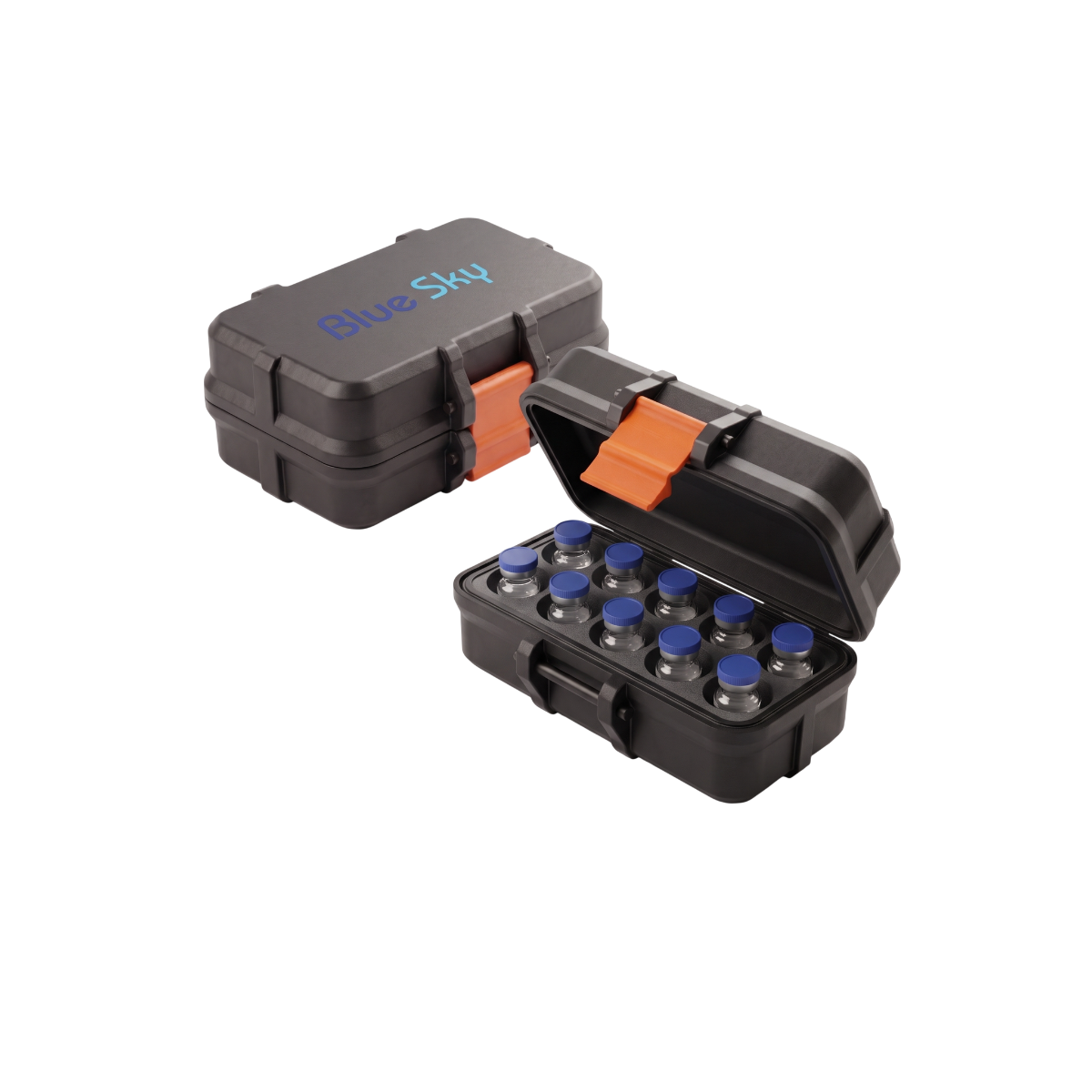
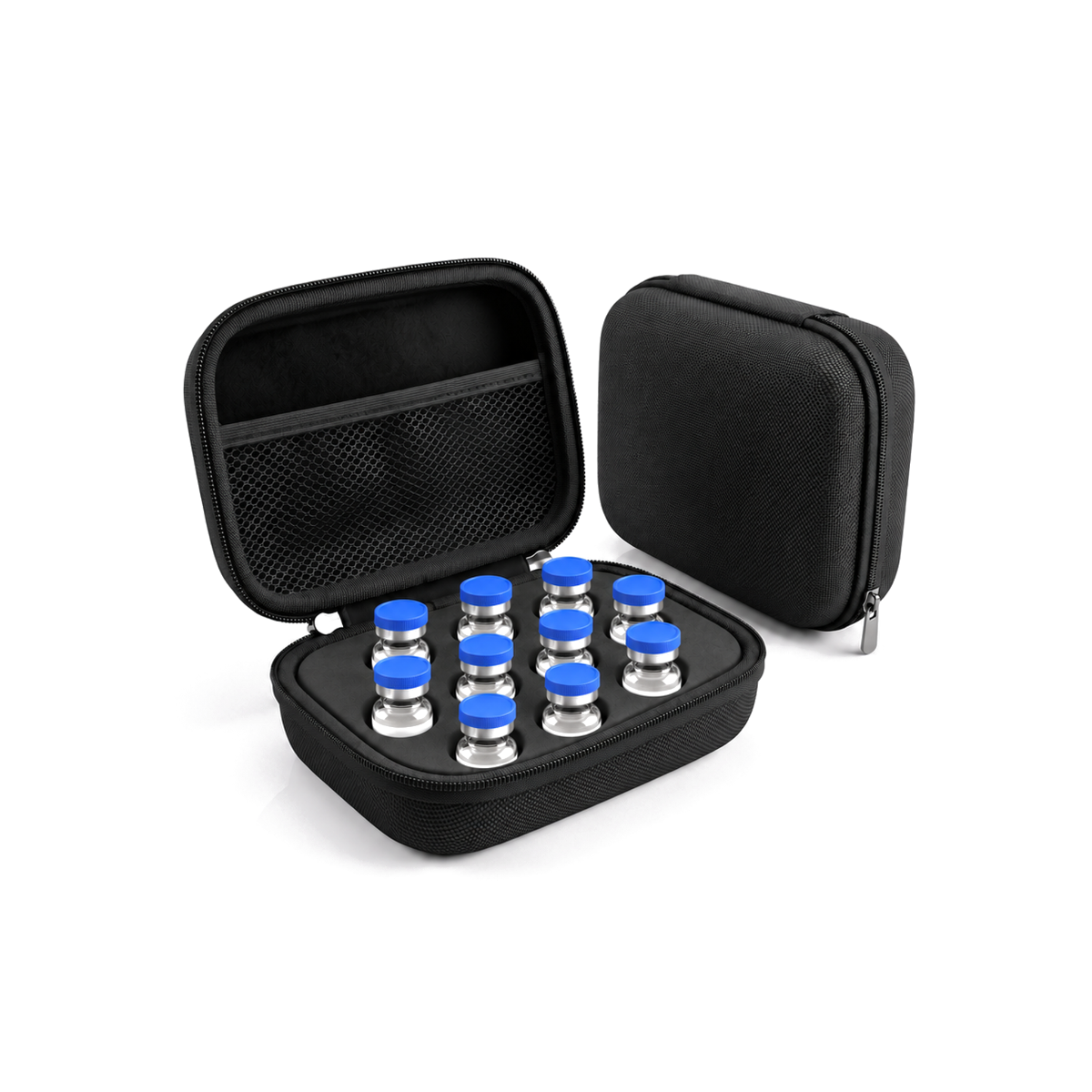 Storage Case (10)$9.99
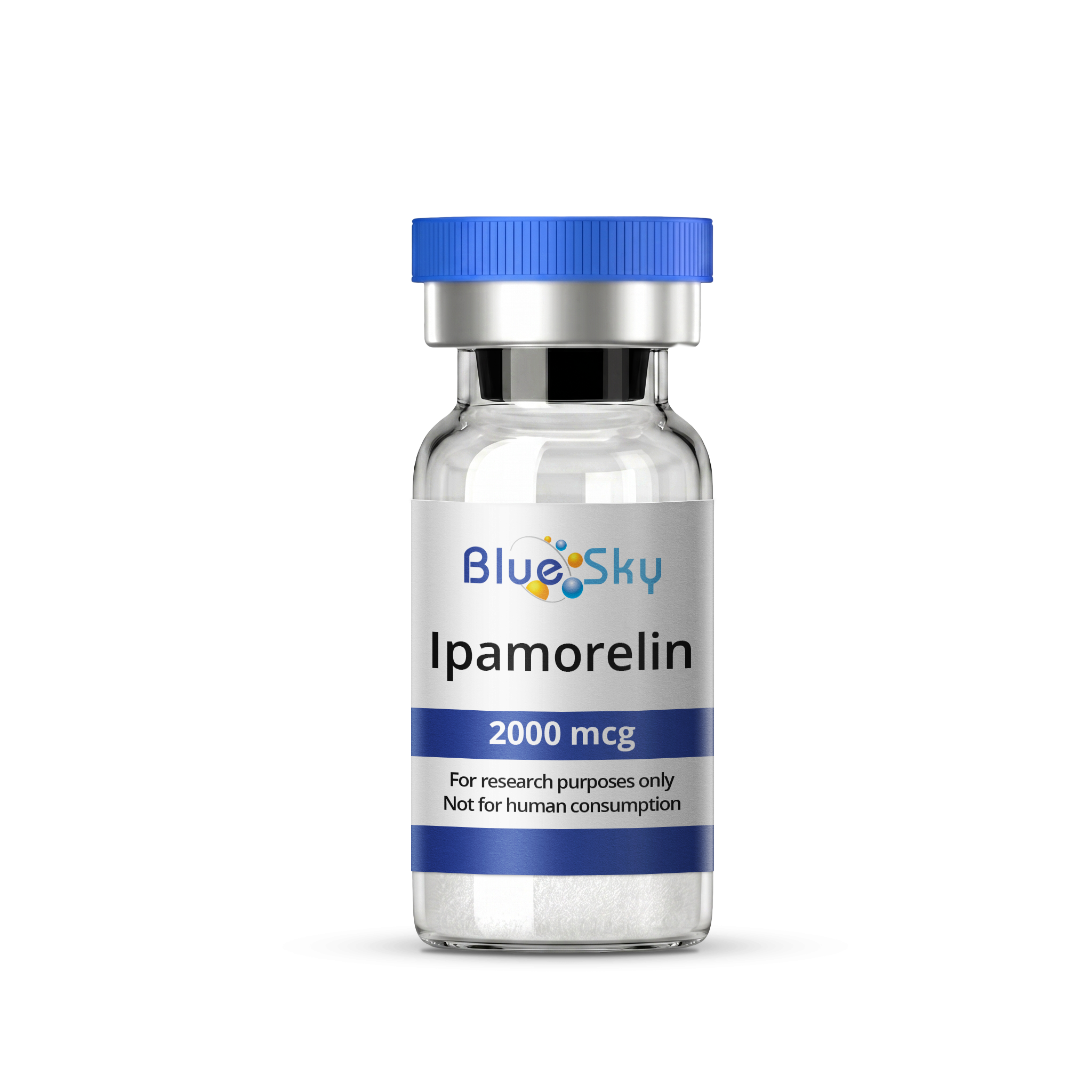
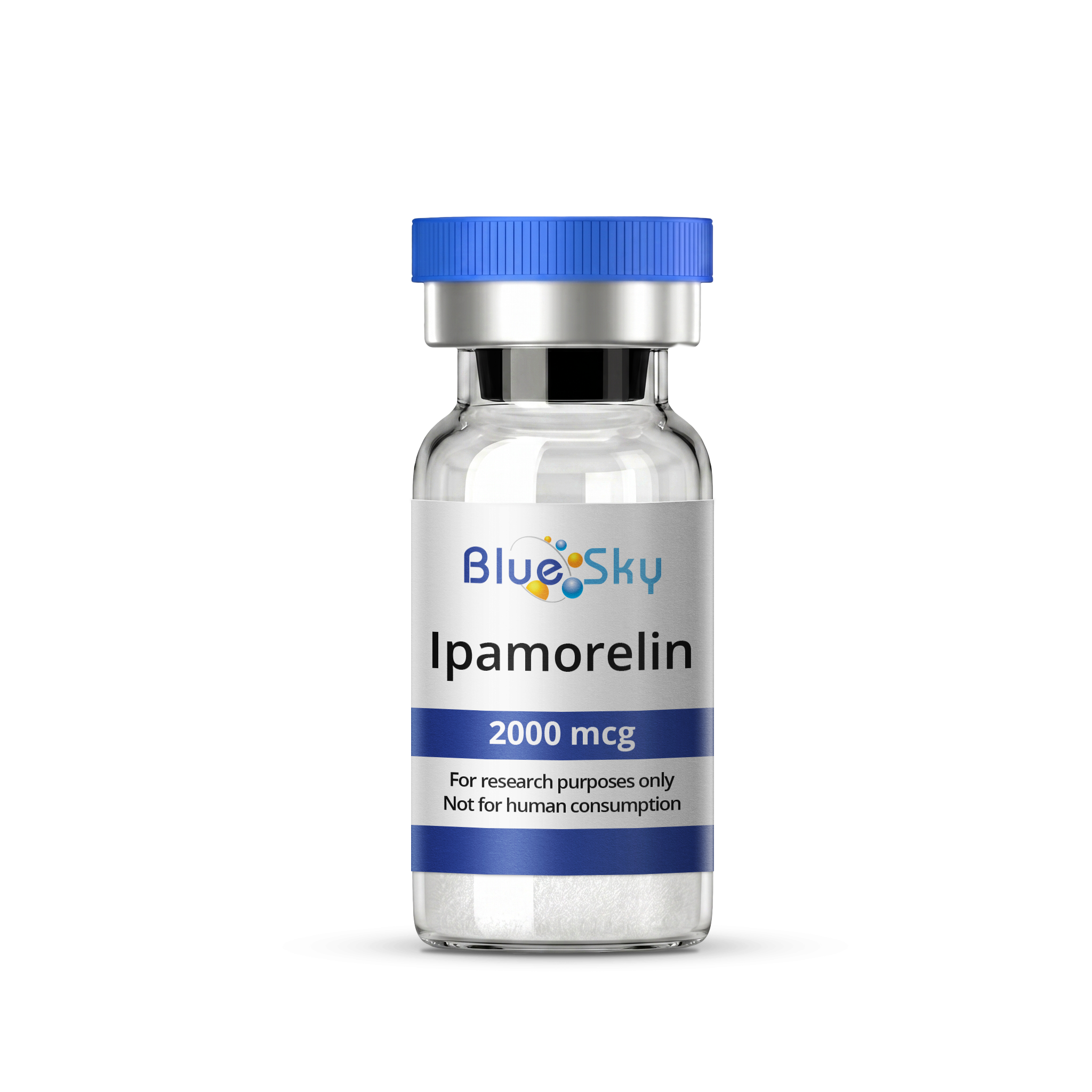 IPAMORELIN 2000mcg$16.78
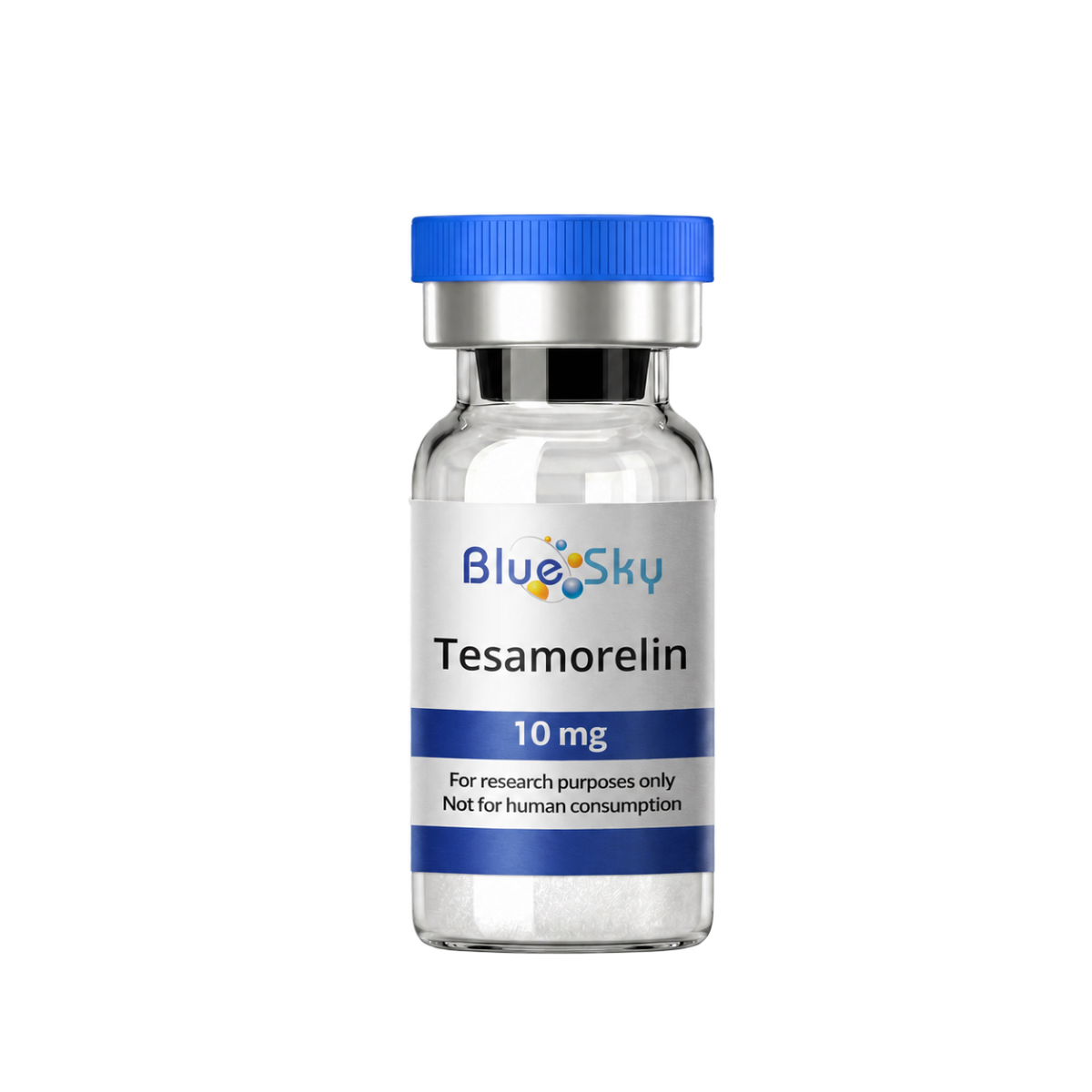
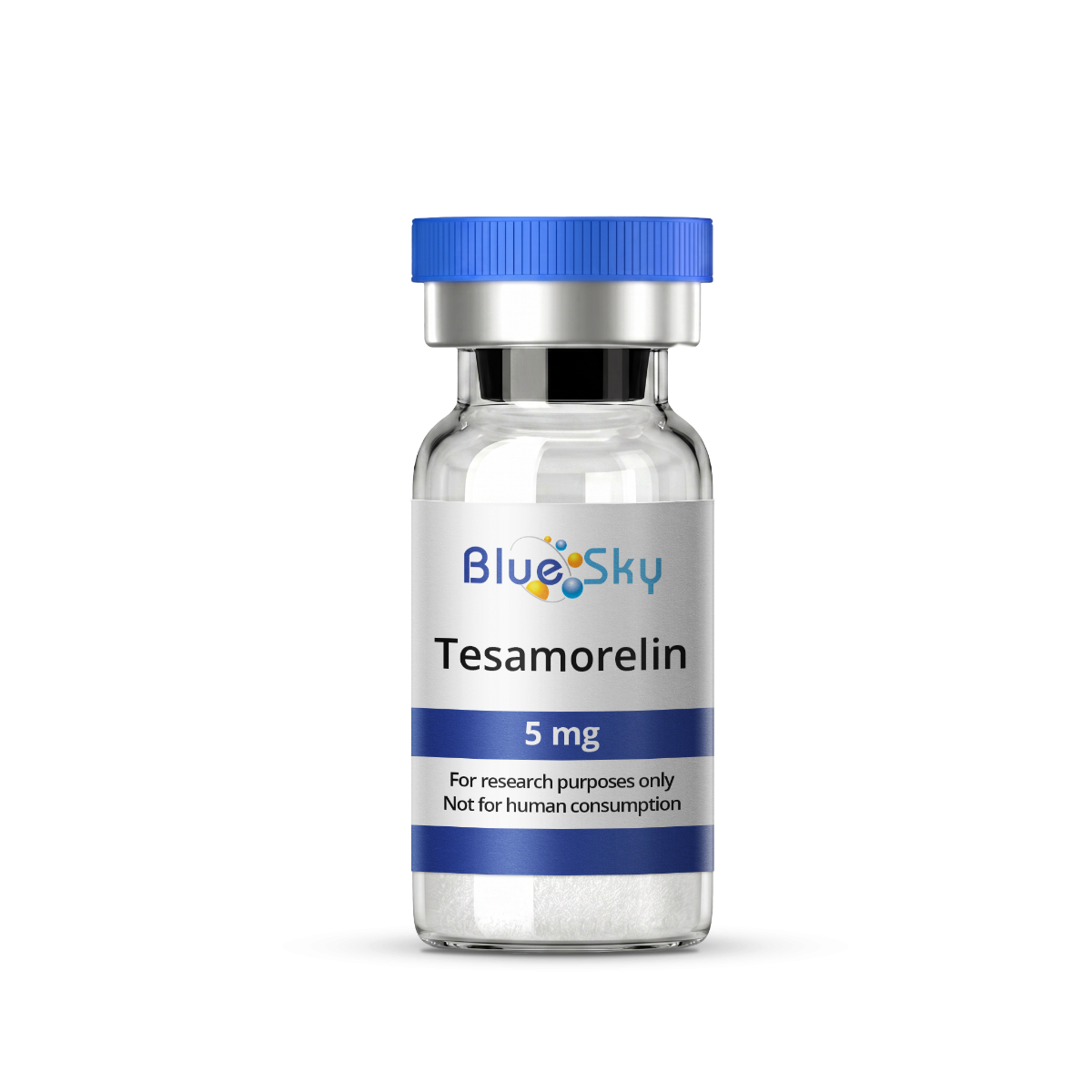 Tesamorelin 5mg$37.98
 Tesamorelin 10mg$64.38
 Buy Bulk IPAMORELIN 2000mcg$41.95


 Login